| No more than 10 percent of the oils you eat should be polyunsaturated fats, like those found in vegetable oils (such as corn and cottonseed oils). According to the American Heart Association, we should get the rest from monounsatu-rated fats, such as olive, and be taking in less than 300 mg of cholesterol each day.
Maybe former President Bush did not like broccoli, but perhaps if he knew some of the things that were in this marvelous vegetable, he would have changed his mind. Broccoli and other produce is the first thing to turn to for heart-benefiting foods. |
Nicola Reavley
See book keywords and concepts | 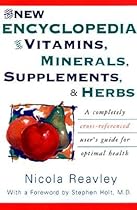 Fats in vegetable oils lead to production of harmful inflammatory prostaglandins while fish oils contain fats such as omega-3 fatty acids which lead to the production of anti-inflammatory prostaglandins. Omega-3 fatty acids also seem to affect levels of other chemicals known as cytokines and leukotrienes which are produced by white blood cells and mediate the inflammatory processes involved in rheumatoid arthritis. Omega-3 fatty acids are found in fish oils and plant oils such as flaxseed oil. Fats in vegetable oils lead to production of harmful inflammatory prostaglandins while fish oils contain fats such as omega-3 fatty acids which lead to the production of anti-inflammatory prostaglandins. Omega-3 fatty acids also seem to affect levels of other chemicals known as cytokines and leukotrienes which are produced by white blood cells and mediate the inflammatory processes involved in rheumatoid arthritis. Omega-3 fatty acids are found in fish oils and plant oils such as flaxseed oil. | | Young children need energy and nutrient-dense foods such as cereals, vegetable oils, bananas and avocados. Large intakes of high fiber or watery foods typically found in vegetarian and vegan diets may not be advisable in very young children.
By the year 2010, one in five people in the developed world will be aged 65 or over and the needs of an aging population will have a huge impact on society in the next century. Increasing research effort is being directed into ways of helping older people stay healthy, independent and mobile. | | Good sources include meat, fish and vegetable oils.
Toxic effects of excess intake
Toxic effects are unknown.
Therapeutic uses of supplements
Supplements are used to treat cardiovascular disease, cancer, high blood pressure, periodontal disease, muscular dystrophy. Coenzyme Q10 may also be useful in preventing the side effects of beta blockers and statin-type cholesterol-lowering drugs.
Coenzyme Q10, which is also known as ubiquinone, is one form of a substance known as coenzyme Q which is found in all plant and animal cells. | | Sources
Good sources of vanadium include whole grain breads and cereals, vegetable oils, nuts, root vegetables, parsley, fish, radishes, dill, lettuce and strawberries. The vanadium content of food depends on the soil in which it is grown. Airborne vanadium may also be an important source. Processed or refined foods may contain higher levels of vanadium than unprocessed foods, possibly because of contamination from stainless steel processing equipment.
Recommended dietary allowances
There is no RDA for vanadium. A daily intake of 10 to 100 meg is probably safe and adequate. | | Cold-pressed oils therefore have a higher vitamin E content than refined vegetable oils. Exposure to light and oxygen also destroys vitamin E.
Food
Amount
Vitamin E (mg alpha TE)
Wheatgerm oil
1 tbsp
26.2
Wheatgerm cereal
1 cup
19.5
Sunflower seeds
1Acup
17.2
Hazelnuts
V2cup, whole
15.4
Peanuts
Vicup, whole
6.32
Soy beans, cooked
1 cup
3.19
Saffloweroil
1tbsp
4.69
Canola oil
1 tbsp
2.93
Corn oil
1 tbsp
2.87
Avocado
1 avocado
2.69
Soybean oil
1 tbsp
2.50
Spinach, cooked
1 cup
1.63
Tomato sauce, canned
V2CUP
1.63
Olive oil
1 tbsp
1. | | Vitamin E
Vitamin E needs increase in those whose diets are higher in polyunsaturated fats from nuts, seeds and vegetable oils. As vegetarians often have a higher intake of such fats, they need to make sure their vitamin E intake is adequate to protect against harmful free radical damage to these fats. (See page 417 for more information.)
Vegetarians and minerals
Refining removes most of the vitamin and mineral content from grains. |
Berkeley Holistic Health Center and Shepherd Bliss
See book keywords and concepts | | Basic oil blend
1 part apricot 1 part almond Vi part olive or
1 part almond 1 part soy
1 part peanut
You may blend fruit and vegetable oils in any number of combinations or use a single oil. To each cup of oil, add Va cup of herb mixture. In the summer months, gather fresh lilac, honeysuckle flowers, roses, lavender, marigold, and acacia to make fragrant blossom oils. Bay, eucalyptus, basil, and pennyroyal make effective insect-repellent oils, and are easily available since they grow wild. Many of your garden herbs make wonderful oils as well for body, bath, and massage. | | You can also substitute cocoa butter or avocado, sesame, soy, olive, or any combination of vegetable oils for oils in recipe, and you can greatly improve the quality of the oils by adding herbs to them as discussed above under "Herbal Oils."
Hair Care
I'm a lover of hair! Reaching down to my waist since I was a child, my hair at times has been so long that I have been able to sit on it, wrap it up in exotic styles, braid it, feel it flow in the wind and hang dripping with the smells of rain. More deeply, I've been willing to appreciate my hair as the "natural crown" of my physical body. | | Herbal Oils for Bath, Body, Massage
Richly organic, fruit and vegetable oils blend readily with the fragrant essence of flowers and herbs. You can feel, smell, and taste the difference in the oil as the properties of the various plants are absorbed. Make several different kinds for you and your friends. The basic recipe is easy.
Place herb mixture in a jar with tight-fitting lid. For each cup of oil, add 10,000 I.U. of Vitamin E. With lid on, let oil jar sit in a warm place in direct sunlight for two weeks. Strain. This procedure may be repeated for stronger oil. | | E
Widely distributed in foods, particularly vegetable oils, wheat germ.
Lost by long cooking in open ketde. Toxic in large doses.
Not definitely known for humans.
K
Eggs, liver, cabbage, spinach, tomatoes. Made by intestinal bacteria.
Destroyed by light and alkali. Absorption depends on normal fat absorption.
Blood clotting.
Water-Soluble Vitamins"
Thiamin (Bj)
Riboflavin (B2)
Meat, whole grain, fiver, yeast, nuts, eggs, bran, soybeans, potatoes.
Milk, cheese, liver, beef, eggs, fish.
Stable in cooking but may dissolve Carbohydrate metabolism. Promot in cooking water. Needed daily. |
Bradley J. Willcox, M.D., D. Craig Willcox, Ph.D., Makoto Suzuki, M.D.
See book keywords and concepts | 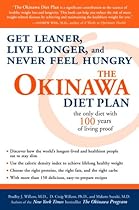 CD of 8.8 (almost 9 calories per gram). Foods that are low in fat and high in water or fiber tend to have a low caloric density. This is the secret that could save you from a lifetime of excess weight and possibly even an early grave. Burn this caloric density measurement into your consciousness: calories per gram. Understand this concept, and you will have mastered one of the most important concepts for weight control.
Here's another label calculation example: In the breakfast cereal label in figure 3.1 you can see that the serving size is % cup, which weighs 32 grams. CD of 8.8 (almost 9 calories per gram). Foods that are low in fat and high in water or fiber tend to have a low caloric density. This is the secret that could save you from a lifetime of excess weight and possibly even an early grave. Burn this caloric density measurement into your consciousness: calories per gram. Understand this concept, and you will have mastered one of the most important concepts for weight control.
Here's another label calculation example: In the breakfast cereal label in figure 3.1 you can see that the serving size is % cup, which weighs 32 grams. |
Gary Null
See book keywords and concepts | 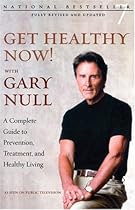 Free radicals also can develop from many sources, including X-rays, heated vegetable oils and through exposure to ultraviolet light.
Garlic has been found to be an immune stimulant, having both antifungal and antibacterial qualities. Garlic is most effective when eaten raw. It may be either added to one's food or taken as a supplement in tablet or capsule form.
The essential fatty acids are also important to a proper immune response. Free radicals also can develop from many sources, including X-rays, heated vegetable oils and through exposure to ultraviolet light.
Garlic has been found to be an immune stimulant, having both antifungal and antibacterial qualities. Garlic is most effective when eaten raw. It may be either added to one's food or taken as a supplement in tablet or capsule form.
The essential fatty acids are also important to a proper immune response. |
Earl L. Mindell, R.Ph., Ph.D.
See book keywords and concepts |  The Doctor's Guide to Vitamin B6 (Rodale Press, 1984), other causes of vitamin B6 depletion include: the chemical hydrazine, found in rocket and jet fuel and cigarette smoke; isoniazid, a drug used to treat tuberculosis; hydralazine, a prescription drug used to treat high blood pressure; the antidepressant phenelzine; the herbicide maleic hydrazide; the deadly chemical pollutants PCBs, and possibly rancid unsaturated vegetable oils.
Once carpal tunnel gets established in the nerves of the wrist it is very difficult to treat. The Doctor's Guide to Vitamin B6 (Rodale Press, 1984), other causes of vitamin B6 depletion include: the chemical hydrazine, found in rocket and jet fuel and cigarette smoke; isoniazid, a drug used to treat tuberculosis; hydralazine, a prescription drug used to treat high blood pressure; the antidepressant phenelzine; the herbicide maleic hydrazide; the deadly chemical pollutants PCBs, and possibly rancid unsaturated vegetable oils.
Once carpal tunnel gets established in the nerves of the wrist it is very difficult to treat. |
Rebecca Wood
See book keywords and concepts | 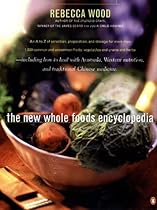 Because there's more misinformation perpetrated—and profit made—with vegetable oils and sweeteners than any other products, I will provide you with guidelines for determining ¦ their quality.
I include some information about foraging for freely given foods, but more as a tease. This is not a foraging guide. If, however, you find yourself out in the open spaces with gathering basket in hand, so much the better. Food foraging is, after all, humanity's oldest profession. Wild foods offer superior nutrients and medicinal properties and make you feel, in a word, wild. Because there's more misinformation perpetrated—and profit made—with vegetable oils and sweeteners than any other products, I will provide you with guidelines for determining ¦ their quality.
I include some information about foraging for freely given foods, but more as a tease. This is not a foraging guide. If, however, you find yourself out in the open spaces with gathering basket in hand, so much the better. Food foraging is, after all, humanity's oldest profession. Wild foods offer superior nutrients and medicinal properties and make you feel, in a word, wild. |
Elson M. Haas, M.D.
See book keywords and concepts |  The strongest correlation for breast cancer has been with the intake of the trans-fatty acids that are created when vegetable oils are hydrogenated to make margarine and solid vegetable shortening. There is even some concern with the polyunsaturated fats. Since they are less stable, they can go through peroxidation, which can lead to the formation of epoxides that may be cancer causing. This is especially true when these fats are heated. (Vitamin E and beta-carotene are two antioxidants which protect against the peroxidation process. The strongest correlation for breast cancer has been with the intake of the trans-fatty acids that are created when vegetable oils are hydrogenated to make margarine and solid vegetable shortening. There is even some concern with the polyunsaturated fats. Since they are less stable, they can go through peroxidation, which can lead to the formation of epoxides that may be cancer causing. This is especially true when these fats are heated. (Vitamin E and beta-carotene are two antioxidants which protect against the peroxidation process. | | Saturated fats and hydrogenated vegetable oils, which contain high amounts of saturated fats in place of their once polyunsaturated oils, both raise serum cholesterol. The liver makes cholesterol from saturated fats. A number of factors can increase the risk of cardiovascular disease. The top three are elevated serum cholesterol, smoking, and high blood pressure. (For cholesterol, the most important factor is elevated LDL. | | Lard, suet, and butter are common saturated animal fats; coconut and palm oil are two saturated vegetable oils. Saturated fats are generally more stable than the unsaturated fats and go rancid (undergo an oxidative change in molecular structure) less easily.
Unsaturated fats are of two varieties—monounsaturated and polyunsaturated. If two adjoining carbon atoms are attached by a double bond, there is room for one more pair of hydrogen atoms, and the fatty acid is said to be monounsaturated. Oleic acid, present in olive oil, is a monounsaturated fat. |
Earl L. Mindell, R.Ph., Ph.D.
See book keywords and concepts | | Use canola oil in your cooking rather than unstable unsaturated vegetable oils. When you stir fry vegetables, use water at the beginning, at high heat, then throw in a small amount of oil at the last minute. When you cut the fat, you dramatically decrease your chances of obesity, heart disease, diabetes, high blood pressure and stroke.
Make Your Carbs Complex
Complex carbohydrates such as whole grains, brown rice and legumes (beans) are metabolized much more slowly in your body than refined carbohydrates. |
Elson M. Haas, M.D.
See book keywords and concepts | | During the refinement and purification of vegetable oils, vitamin E is lost; the vitamin E-rich by-products of this process are used to make some of the E used in supplements.
Vitamin E is absorbed from the intestines, along with fat and bile salts, first into the lymph and then into the blood, which carries it to the liver to be used or stored. Vitamin E is not stored in the body as effectively as the other fat-soluble vitamins, A, D, and K. |
Earl L. Mindell, R.Ph., Ph.D.
See book keywords and concepts | | Vitamin E is a fat-soluble oil found in many foods, including unrefined vegetable oils, whole grains, butter, organ meats, eggs, a variety of nuts, sunflower seeds, fruit, soybeans and dark green leafy vegetables.
I recommend you take vitamin E either as mixed tocopherols or d-alpha tocopherol. Do not use the synthetic form of vitamin E, called dl-alpha tocopherol.
Although vitamin E is very safe even at high doses, 400 IU (dry form) daily should be an adequate dose for adults. |
Elson M. Haas, M.D.
See book keywords and concepts | | Linoleic acid, an essential fatty acid found in safflower oil, soybean oil, and other vegetable oils, is an example of a polyunsaturated fat. Other oils of this category include peanut, corn, and cottonseed oils.
Unsaturated fats are unstable at room temperature and sensitive to interaction with oxygen, light, and heat. This is why storage in dark glass or cans and/or under refrigeration is ideal. There are two other ways besides refrigeration to prevent rancidification (spoiling) of an oil. The first is to use antioxidants. |
Earl L. Mindell, R.Ph., Ph.D.
See book keywords and concepts | | Red meat (unless it is organic) vegetable oils and hydrogenated oils Whole milk (yogurt is okay)
Supplements to Take
Selenium: 200 to 400 meg daily Zinc: 15 to 30 mg daily
Herbs to Use
Saw Palmetto: Follow directions on the bottle.
Synthetic Hormones and Their Natural Alternatives
Hormones are a hot topic these days and for good reason. Anti-aging researchers believe they are one of the keys to slowing age-related physical deterioration. The theory is that if you supplement hormones that decline with age, your body will age more slowly. | | While you replace "bad" fats like artery-clogging hydrogenated vegetable oils with the "good" fats listed, try to keep daily fat intake below 30 percent of total calories.
Avoid optic nerve toxins like aspartame, MSG (monosodium gluta-mate), steroid drugs, tranquilizers, the antidepressants lithium and monoamine oxidase (MAO) inhibitors, antibiotics and cigarettes.
Vitamins for Healthy Eyes
Certain nutrients are more important to good eye health than others. |
Sheldon Saul Hendler and David Rorvik
See book keywords and concepts |  These vegetable oils also contain vitamin Ki. Vitamin Ki is a fat-soluble substance. Vitamin K2, which is also fat soluble, is the collective term for a number of substances known as menaquinones. Vitamin K2 is found in chicken egg yolk, butter, cow liver, certain cheeses and fermented soybean products such as natto. This form of vitamin K is also produced by certain bacteria, including some of the bacteria that comprise the microflora of the intestine. The dietary contribution of vitamin K2 is much less than that of vitamin Ki. These vegetable oils also contain vitamin Ki. Vitamin Ki is a fat-soluble substance. Vitamin K2, which is also fat soluble, is the collective term for a number of substances known as menaquinones. Vitamin K2 is found in chicken egg yolk, butter, cow liver, certain cheeses and fermented soybean products such as natto. This form of vitamin K is also produced by certain bacteria, including some of the bacteria that comprise the microflora of the intestine. The dietary contribution of vitamin K2 is much less than that of vitamin Ki. |
John Boik
See book keywords and concepts |  Two dietary fatty acids, other than arachidonic acid, that can produce eicosanoids are linoleic acid, found in most vegetable oils, and eicosapentaenoic acid (EPA), found in fish oil. Linoleic acid is converted to dihomo-gamma-linolenic (DGLA) through the actions of various enzymes, and the prostanoids that form from DGLA are given the subscript 1 (for example, PGE^, and the leukotrienes are given the subscript 3 (i.e., LTA3). The prostanoids that form from EPA are given the subscript 3 (for example, PGE3), and the leukotrienes are given the subscript 5 (for example, LTA5). Two dietary fatty acids, other than arachidonic acid, that can produce eicosanoids are linoleic acid, found in most vegetable oils, and eicosapentaenoic acid (EPA), found in fish oil. Linoleic acid is converted to dihomo-gamma-linolenic (DGLA) through the actions of various enzymes, and the prostanoids that form from DGLA are given the subscript 1 (for example, PGE^, and the leukotrienes are given the subscript 3 (i.e., LTA3). The prostanoids that form from EPA are given the subscript 3 (for example, PGE3), and the leukotrienes are given the subscript 5 (for example, LTA5). |
Sheldon Saul Hendler and David Rorvik
See book keywords and concepts | | The phytosterols and phytostanols derived from tall oil undergo hydrogenation to produce mainly beta-sitostanol, campestanol and stigmas-tanol and then, in an esterification step with fatty acids derived from such vegetable oils as rapeseed oil, arrive at the finished product.
Phytostanols are also known as plant stanols and saturated plant sterols. Phytostanols themselves have extremely poor solubility in both aqueous and lipid media. Esterification of pnytostanois witn long-cnain latiy acius mweascs uicu npiu solubility. |
Committee on Comparative Toxicity of Naturally Occurring Carcinogens
See book keywords and concepts |  The potential for high exposures to benzo(a)-pyrene, one of the most potent carcinogenic PAHs, is greatest with consumption of charred meats, smoked fish, vegetable oils, tea, roasted coffee, and some fruits and vegetables.
The formation of heterocyclic amines during the cooking of pro-teinaceous foods was discussed earlier. Data are limited concerning the intake of these substances. Layton et al. (1995) analyzed the consumption of foods containing five of the principal heterocyclic amines by 3,563 persons who provided 3-day dietary records in a USDA-sponsored survey conducted in 1989. The potential for high exposures to benzo(a)-pyrene, one of the most potent carcinogenic PAHs, is greatest with consumption of charred meats, smoked fish, vegetable oils, tea, roasted coffee, and some fruits and vegetables.
The formation of heterocyclic amines during the cooking of pro-teinaceous foods was discussed earlier. Data are limited concerning the intake of these substances. Layton et al. (1995) analyzed the consumption of foods containing five of the principal heterocyclic amines by 3,563 persons who provided 3-day dietary records in a USDA-sponsored survey conducted in 1989. |
Earl L. Mindell, R.Ph., Ph.D.
See book keywords and concepts | | Good foods for vitamin E: almonds, asparagus, bran, brown rice, cucumbers, dark green vegetables, herring, kale, peanuts, seeds, soybeans, unrefined vegetable oils, wheat germ and wheat germ oil and whole grains.
The Antioxidant Bioflavonoids: Grapeseed Extract & Green Tea
Bioflavonoids are organic compounds found in plants that are key to the power of antioxidants. These powerful substances reduce inflammation and pain, strengthen blood vessels, improve circulation, fight bacteria and viruses, improve liver function, lower cholesterol levels and improve vision. |
Textbook of Natural Medicine 2nd Edition Volume 2Michael T. Murray, ND
See book keywords and concepts | | Margarine and other hydrogenated vegetable oils not only raise LDL cholesterol, they also lower HDL cholesterol, interfere with essential fatty acid metabolism, and are suspected of being causes of certain cancers.10 Although butter may be better than margarine, the bottom line is that they both need to be restricted in a healthy diet while natural polyunsaturated oils like canola, safflower, soy, fish and flaxseed oils should be used to meet essential fatty acid requirements. |
page 21 of 23 | Next ->
FAIR USE NOTICE: The research quoted here is provided under the protection of Fair Use provisions and published by the 501(c)3 non-profit Consumer Wellness Center for the purposes of public comment and education. Authors / publishers may submit books for consideration of inclusion here.
TERMS OF USE: Read full terms of use. Citations of text from NaturalPedia must include: 1) Full credit to the original author and book title. 2) Secondary credit to the Natural News Naturalpedia as a research resource and a link to www.NaturalNews.com/np/index.html
This unique compilation of research is copyright (c) 2008 by the non-profit Consumer Wellness Center.
ABOUT THE CREATOR OF NATURALPEDIA: Mike Adams, the creator of this NaturalNews Naturalpedia, is the editor of NaturalNews.com, the internet's top natural health news site, creator of the Honest Food Guide (www.HonestFoodGuide.org), a free downloadable consumer food guide based on natural health principles, author of Grocery Warning, The 7 Laws of Nutrition, Natural Health Solutions, and many other books available at www.TruthPublishing.com, creator of the earth-friendly EcoLEDs company (www.EcoLEDs.com) that manufactures energy-efficient LED lighting products, founder of Arial Software (www.ArialSoftware.com), a permission e-mail technology company, creator of the CounterThink Cartoon series (www.NaturalNews.com/index-cartoons.html) and author of over 1,500 articles, interviews, special reports and reference guides available at www.NaturalNews.com. Adams' personal philosophy and health statistics are available at www.HealthRanger.org.
|
 |
Refine your search
with Vegetable oils...
...and Macronutrients:...and Oils
...and Fats
...and Fatty acids
...and Seeds
...and Calories
...and Fiber
...and Protein
...and Salt
...and Carbohydrates
...and Mineral
...and Key Health Concepts:...and Foods
...and Diet
...and Products
...and Disease
...and Health
...and Supplements
...and Nutrients
...and Supplement
...and Symptoms
...and Hormone
...and Foods and Beverages:...and Fish
...and Olive oil
...and Vegetables
...and Vegetable
...and Meat
...and Nuts
...and Butter
...and Fruits
...and Corn
...and Sugar
...and Objects:...and Oil
...and People
...and Animal
...and Diets
...and Plant
...and Vitamins
...and Germ
...and University
...and Product
...and Capsules
...and Nutrients:...and Vitamin
...and Vitamin E
...and Omega-3
...and Saturated fats
...and Saturated fat
...and Omega-3 fatty acids
...and Essential fatty acids
...and Vitamin C
...and Antioxidant
...and Vitamin A
...and Adjectives:...and Fatty
...and Saturated
...and Healthy
...and Hydrogenated
...and Essential
...and Refined
...and Natural
...and Processed
...and Dietary
...and Polyunsaturated
...and Anatomy:...and Body
...and Blood
...and Skin
...and Heart
...and Cells
...and Liver
...and Arteries
...and Immune system
...and Breast
...and Tissue
...and Substances:...and Acid
...and Food
...and Acids
...and Water
...and Liquid
...and Lead
...and Hydrogen
...and Light
...and Oxygen
...and Extract
...and Actions:...and Eat
...and Avoid
...and Eating
...and Cooking
...and Growth
...and Drink
...and Taking
...and Processing
...and Avoiding
...and Cook
...and Concepts:...and Sources
...and Risk
...and Studies
...and Study
...and Weight
...and Consumption
...and Time
...and Source
...and Production
...and Week
...and Physiology:...and Levels
...and Intake
...and Increase
...and Helps
...and Effect
...and Effects
...and Prevent
...and Improve
...and Immune
...and Function
...and Health Conditions and Diseases:...and Cancer
...and Heart disease
...and Inflammation
...and Diabetes
...and Pain
...and Breast cancer
...and Arthritis
...and Obesity
...and Infections
...and Plaque
...and Who:...and Women
...and Patients
...and Human
...and Americans
...and Animals
...and Men
...and Physician
...and Doctors
...and Children
...and French
...and Plants and Herbs:...and Olive
...and Garlic
...and Ginger
...and Cotton
...and Oregano
...and Hemp
...and Kelp
...and Tobacco
...and Root
...and Leaves
...and Hormones and Biochemistry:...and Hormones
...and Estrogen
...and Insulin
...and Estrogens
...and Methionine
...and Steroid
...and Lipids
...and Cortisol
...and Stomach acid
...and Homocysteine
...and Chemicals:...and Free radicals
...and Caffeine
...and Pesticides
...and Additives
...and Mercury
...and Solvents
...and Chlorine
...and Ethanol
...and Aluminum
...and Dyes
...and Drops
...and Results
...and Doses
...and Dose
...and Properties
...and Dosage
...and Serum
...and Syndrome
...and Double-blind
...and Diagnosis
...and Supplements:...and Fish oil
...and Flaxseed oil
...and Coenzyme q10
...and Spirulina
...and Lactobacillus
...and Glucosamine
...and Biological Functions:...and Metabolism
...and Period
...and Concentration
...and Weight loss
...and Strength
...and Digestion
...and Attention
...and Breath
...and Menstruation
...and Vision
...and Organizations:...and Epa
...and Manufacturers
...and Health food stores
...and National cancer institute
...and Clinic
...and Medical school
...and Government
...and School of medicine
...and Fda
...and Lancet
...and Medical Adjectives:...and Menstrual
...and Cellular
...and Intestinal
...and Soluble
...and Internal
...and Genetic
...and Diabetic
...and Viral
...and Living
...and Digestive
...and Where:...and United states
...and Asian
...and Harvard
...and Japan
...and Boston
...and America
...and Chinese
...and California
...and New york
...and India
...and Biological Measures:...and Blood pressure
...and Blood cholesterol
...and Blood levels
...and Triglycerides
...and Body weight
...and Height
...and Blood glucose
...and Blood sugar levels
...and Animals:...and Turkey
...and Mice
...and Dogs
...and Cats
...and Cattle
...and Horse
...and Cows
...and Rats
...and Insects
...and Drugs:...and Aspirin
...and Laxative
...and Tablets
...and Antibiotics
...and Steroids
...and Antidepressants
...and Chemotherapy
...and Sedative
...and Diuretics
...and Diuretic
...and Properties:...and Oxidation
...and Anti-inflammatory
...and Irritant
...and Relieves
...and Antiseptic
...and Antimicrobial
...and Ingredients:...and Sodium
...and Fructose
...and Msg
...and Preservatives
...and Food additives
...and Aspartame
|
Related Concepts:
Oils
Oil
Foods
Fats
Diet
Fish
Acid
Fatty acids
Vitamin
Eat
Vitamin E
Body
Fatty
Olive oil
Food
Cancer
Omega-3
Avoid
People
Vegetables
Products
Acids
Vegetable
Levels
Blood
Olive
Meat
Skin
Heart
Animal
Seeds
Nuts
Butter
Heart disease
Disease
Intake
Saturated
Saturated fats
Eating
Sources
Women
Healthy
Risk
Health
Cells
Fruits
Hydrogenated
Essential
Water
Saturated fat
Corn
Calories
Sugar
Refined
Beans
Studies
Omega-3 fatty acids
Natural
Study
Increase
Grains
Liver
Fiber
Processed
Meats
Diets
Protein
Helps
Dietary
Polyunsaturated
Weight
Essential fatty acids
Free radicals
Whole
Omega-3s
Eggs
Effect
Consumption
Cooking
Vitamin C
Trans fats
Trans
Effects
Inflammation
Antioxidant
Fish oil
Time
Wheat
Prevent
Vitamin A
Salmon
Antioxidants
Source
Salad
Canola
Supplements
Flaxseed
Trans-fatty acids
Dairy products
Liquid
|









 Email this page to a friend