| Olive oil is the best of the vegetable oils. It contains 75 percent oleic acid (long-chain monounsaturated fat), 13 percent saturated fat, 10 percent linoleic, and 2 percent linolenic acids (the two essential fatty acids). However, olive oil should not be the only fat consumed. Butter, coconut oil, or palm kernel oil are important because they contain more short-chain fatty acids, which have many health benefits, such as faster energy utilization, antimicrobial properties, and anticancer properties. Also, too much olive oil may generate an imbalance of the essential fatty acids. |
| It's probably true that partially hydrogenated trans fats are unhealthy, but these are derived from vegetable oils and processed before they get into foods. In no way can these fats be lumped together with true saturated animal fats, which are in fact very healthy fats.
Obviously, we don't know what all of you are eating, but we've seen enough throughout the years to get a feel for what is consumed daily by many Americans. We've also talked to people who still believe that U.S. |
Mary G. Enig
See book keywords and concepts |
 In the 1930s, published texts on nutrition and dietetics included corn oil and peanut oil in lists of vegetable oils, and also referred to the commercial hydrogenation of cottonseed oil and its sale in the form of a solid fat.
Up until shortly before World War II, the margarines (which had originally started as blends of animal fats for a cheap butter substitute) were largely (90 percent) made of coconut oil, animal tallow, or lard; very little hydrogenation was required or used. In the 1930s, published texts on nutrition and dietetics included corn oil and peanut oil in lists of vegetable oils, and also referred to the commercial hydrogenation of cottonseed oil and its sale in the form of a solid fat.
Up until shortly before World War II, the margarines (which had originally started as blends of animal fats for a cheap butter substitute) were largely (90 percent) made of coconut oil, animal tallow, or lard; very little hydrogenation was required or used. |
Michael Janson, M.D.
See book keywords and concepts |
 There are many sources of excess free-radical exposure, including cigarette smoke; air pollution; some highly processed foods and food additives; ultraviolet sunlight and radiation; processed oils such as commercial vegetable oils, margarines and shortenings; charcoal-broiled foods and any charred or burned foods; heavy metals (lead, cadmium, aluminum, and mercury) found in processed foods; excessive iron; pesticides; and some prescription medications. Many of the chemicals found in municipal water supplies are toxic because they generate free radicals. There are many sources of excess free-radical exposure, including cigarette smoke; air pollution; some highly processed foods and food additives; ultraviolet sunlight and radiation; processed oils such as commercial vegetable oils, margarines and shortenings; charcoal-broiled foods and any charred or burned foods; heavy metals (lead, cadmium, aluminum, and mercury) found in processed foods; excessive iron; pesticides; and some prescription medications. Many of the chemicals found in municipal water supplies are toxic because they generate free radicals. |
Mary G. Enig
See book keywords and concepts |
| Additionally, the naturally-occurring TFAs are mainly a different isomer (delta-11) than the TFAs produced by partial hydrogenation of vegetable oils.
Question: Subject: Non-Hydrogenated Spreads......I was wondering if you had any information regarding the new spreads on the market from company's such as Spectrum Naturals, they claim to contain no hydrogenated fats but yet have the consistency of a margarine. Is it still best to stick with real butter as I've been doing for the past 10 years? A.C. |
Michael Janson, M.D.
See book keywords and concepts |
| Vitamin E is also found in natural vegetable oils, but commercial processing eliminates much of the vitamin from the end product. Extra oil in the diet (not a good idea) increases the need for vitamin E. Poor fat digestion or absorption can reduce the amount that actually gets into your bloodstream from foods.
Vitamin E helps maintain healthy circulation in the coronary arteries and peripheral blood vessels. In fact, blood levels of vitamin E are more than twice as predictive of heart disease risk as cholesterol levels (high levels of vitamin E mean lower incidence of heart disease). |
Mary G. Enig
See book keywords and concepts |
| Answer: High temperature frying will change the quality of liquid vegetable oils by the formation of numerous breakdown products, and these can be very toxic. However, trans fatty acids (TFAs) are not what is being formed. Some articles have said that TFAs are formed. This however is a mistaken interpretation of some of the research that has shown an increase of TFAs during deep fat frying. |
| In the United States, the common vegetable oils currently used as salad oils are: unhydrogenated or minimally hydrogenated canola oil, corn oil, cottonseed oil, olive oil, peanut oil, safflower seed oil, unhydrogenated or minimahy hydrogenated soybean oil, and sunflower seed oil.
Saponification involves the alkaline hydrolysis of triglycerides to form soaps of fatty acids and glycerol. Saponification value (usually a range of numbers) is the measure of the average length of the carbon chains in the fatty acids that make up the triglycerides. |
Elaine Feuer
See book keywords and concepts |
 Omega-6 oils come from plant and botanical sources such as evening primrose oil and unrefined vegetable oils, while Omega-3 oils come from fish and marine life. Once fatty acids are depleted, the immune system loses its strength, resulting in disease and chronic illness.
Only in recent years have scientists begun to recognize and understand the importance of essential fatty acids, as the onset of disease is the direct result of a prostaglandin imbalance. Yet most Americans have never heard of prostaglandins since doctors and nurses are only marginally aware of their significance? Omega-6 oils come from plant and botanical sources such as evening primrose oil and unrefined vegetable oils, while Omega-3 oils come from fish and marine life. Once fatty acids are depleted, the immune system loses its strength, resulting in disease and chronic illness.
Only in recent years have scientists begun to recognize and understand the importance of essential fatty acids, as the onset of disease is the direct result of a prostaglandin imbalance. Yet most Americans have never heard of prostaglandins since doctors and nurses are only marginally aware of their significance? |
Francisco, M.D. Contreras
See book keywords and concepts |
| The economically sane thing to do is to find ways to develop vegetable oils with a longer shelf lives.
One ingenious method the experts developed is a process called mechanical extraction. In this process pressure mills crush the seeds and then heat the mass to 240 degrees.
Afterward, the unrefined oil is pressed at over 20 tons of pressure per square inch. This removes from the oil all the elements that can spoil. Unfortunately, all the nutritional value is also lost in the process. |
J. Robert Hatherill
See book keywords and concepts |
 Some of the richest sources of vitamin E are wheat germ oil, brans and legumes, vegetable oils, nuts, seeds, and green plants. The adult RDA of vitamin E is 30 IU.
As we learned previously, nitrosamines that damage DNA and cause cancer are normally formed in the body from nitrates and nitrites present in foods and even cigarette smoke. Vitamin E suppresses the conversion of these cancer-causing nitrosamines. A sensible amount of vitamins C and E (400 mg/day) can restrict the amount of mutagenic compounds (like nitrosamines) in the digestive tract by 75 percent. Some of the richest sources of vitamin E are wheat germ oil, brans and legumes, vegetable oils, nuts, seeds, and green plants. The adult RDA of vitamin E is 30 IU.
As we learned previously, nitrosamines that damage DNA and cause cancer are normally formed in the body from nitrates and nitrites present in foods and even cigarette smoke. Vitamin E suppresses the conversion of these cancer-causing nitrosamines. A sensible amount of vitamins C and E (400 mg/day) can restrict the amount of mutagenic compounds (like nitrosamines) in the digestive tract by 75 percent. |
Gale Maleskey
See book keywords and concepts |
 Although vitamin E and selenium are present in some foods such as whole grains and vegetable oils, you would have a hard time getting significant amounts of either nutrient from food. "There's no way you could eat enough of the right foods to get the high doses necessary for real nutrition therapy," says Dr. Lamden. Fortunately, that's where supplements come into the picture.
For people already diagnosed with cataracts, Dr. Lamden recommends 800 to 1,200 international units (IU) of natural vitamin E and 400 micrograms of selenium a day. Although vitamin E and selenium are present in some foods such as whole grains and vegetable oils, you would have a hard time getting significant amounts of either nutrient from food. "There's no way you could eat enough of the right foods to get the high doses necessary for real nutrition therapy," says Dr. Lamden. Fortunately, that's where supplements come into the picture.
For people already diagnosed with cataracts, Dr. Lamden recommends 800 to 1,200 international units (IU) of natural vitamin E and 400 micrograms of selenium a day. |
Mary G. Enig
See book keywords and concepts |
| All other vegetable oils and the animal oils contain long chain fatty acids (more than 12 carbon atoms). Both saturated and unsaturated fatty acids in all these oils contain long chain fatty acids (LCFAs). The only exception is butterfat, with 12% short chain fatty acids. Unfortunately those who equate coconut oil with other saturated fats do not know that there are different varieties of saturated fats. Coconut oil is, therefore, different from all other oils containing saturated fatty acids. Being a MCFA oil, coconut oil has certain definite advantages over other LCF As. |
Marcia Zimmerman, C.N.
See book keywords and concepts |
 Safflower, sunflower, flaxseed, and other vegetable oils are examples of unsaturated fats that are healthier for you than saturated fats.
Monounsaturated fats have carbon backbones with a single open space. They are the best kind of dietary fat to buy because they are more stable, less likely to turn rancid, and actually help your body to decrease cholesterol. Olive and canola oils are mono-unsaturated and are your best choices for salad dressings, cooking, and baking. Safflower, sunflower, flaxseed, and other vegetable oils are examples of unsaturated fats that are healthier for you than saturated fats.
Monounsaturated fats have carbon backbones with a single open space. They are the best kind of dietary fat to buy because they are more stable, less likely to turn rancid, and actually help your body to decrease cholesterol. Olive and canola oils are mono-unsaturated and are your best choices for salad dressings, cooking, and baking. |
John Boik
See book keywords and concepts |
 Most vegetable oils are poor sources of omega-3 fatty acids, but are good sources of linoleic acid (an omega-6 fatty acid).
Linoleic acid and linolenic acid (an omega-3 fatty acid) are two common polyunsaturated EFAs. Polyunsaturated fatty acids (PUFAs) are fatty acids with more than one unsaturated double bond. Linoleic acid and linolenic acid are metabolized in unrelated pathways through the actions of the elongase and desaturase
DIETARY MACRONUTRIENTS AND THEIR EFFECTS
ON CANCER table 12.1. percent fatty acid content of various fats and oils
Seated
Siifflower oil
9
11
74
—
0. Most vegetable oils are poor sources of omega-3 fatty acids, but are good sources of linoleic acid (an omega-6 fatty acid).
Linoleic acid and linolenic acid (an omega-3 fatty acid) are two common polyunsaturated EFAs. Polyunsaturated fatty acids (PUFAs) are fatty acids with more than one unsaturated double bond. Linoleic acid and linolenic acid are metabolized in unrelated pathways through the actions of the elongase and desaturase
DIETARY MACRONUTRIENTS AND THEIR EFFECTS
ON CANCER table 12.1. percent fatty acid content of various fats and oils
Seated
Siifflower oil
9
11
74
—
0. |
David Heber, M.D., Ph.D.
See book keywords and concepts |
 Increases in the intake of vegetable oils were found at the same time as there was an increase in the incidence of obesity. Obesity increases cholesterol levels in most individuals who are susceptible to this effect (about one in four). And in the mid-1980s the Federal Trade Commission forced vegetable oil manufacturers to stop advertising the benefits of corn oil on cholesterol levels. ririeen or ine raiosi common nnytns adoui Nutrition ill
Myth #12 Eating Salmon Will Lower Cholesterol Levels
Salmon is supposed to be a good source of healthy fish oils. Increases in the intake of vegetable oils were found at the same time as there was an increase in the incidence of obesity. Obesity increases cholesterol levels in most individuals who are susceptible to this effect (about one in four). And in the mid-1980s the Federal Trade Commission forced vegetable oil manufacturers to stop advertising the benefits of corn oil on cholesterol levels. ririeen or ine raiosi common nnytns adoui Nutrition ill
Myth #12 Eating Salmon Will Lower Cholesterol Levels
Salmon is supposed to be a good source of healthy fish oils. |
| First, get rid of margarines, mayonnaise, vegetable shortenings, and vegetable oils, including safflower, sunflower, cottonseed, and corn oils. These oils are loaded with up to 60 or 70 percent of omega-6 polyunsaturated fats, which promote DNA damage. If you have canola oil or olive oil, keep those; they are used strategically to increase taste as needed in our recipes.
Next, give away or throw away your whole milk and cheeses. Those high-fat, calorie-loaded cheese slices provide between 80 and 140 calories per one-ounce slice, depending on the fat content. |
| When these healthy elements were stripped out of vegetable oils, our bodies became overloaded with the wrong types of fats. By taking in more omega-3 fats that exist naturally in foods, with fewer added omega-6 fats, you are just correcting the balance in your kitchen.
Redesigning Your Dinner Plate
The size and contents of your dinner plate are important. The average restaurant plate has increased in size from a ten-inch diameter to a fourteen-inch diameter. At home you want to use standard plates and imagine portion sizes that are much smaller than what you eat in the restaurant. |
Ruth Winter, M.S.
See book keywords and concepts |
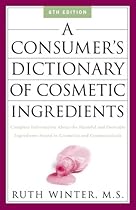 Possesses better skin-penetrating properties than vegetable oils. Also employed in liquid makeup, liquid lip rouge, shampoos, and preshave lotions. Low oral toxicity but is mildly irritating to the skin. The CIR Expert Panel (see) concludes that this ingredient is safe for use in cosmetic products. OLEIC/PALMITIC/LAURIC/MYRISTIC/LINOLEIC TRIGLYCERIDE • The mixed esters (see) of fatty acids used in skin creams. OLEOAMPHODIPROPIONATE • See Surfactants. OLEOAMPHOHYDROXYPROPYLSULFONATE • See Surfactants. Possesses better skin-penetrating properties than vegetable oils. Also employed in liquid makeup, liquid lip rouge, shampoos, and preshave lotions. Low oral toxicity but is mildly irritating to the skin. The CIR Expert Panel (see) concludes that this ingredient is safe for use in cosmetic products. OLEIC/PALMITIC/LAURIC/MYRISTIC/LINOLEIC TRIGLYCERIDE • The mixed esters (see) of fatty acids used in skin creams. OLEOAMPHODIPROPIONATE • See Surfactants. OLEOAMPHOHYDROXYPROPYLSULFONATE • See Surfactants. |
| The excipients may contain beeswax, cetyl alcohol, glyceryl monostearate, gums such as tragacanth, mineral oil, perfume, preservatives such as /7-hydroxybenzoic acid, propylene glycol, spermaceti, and synthetics such as isopropyl myristate, as well as vegetable oils. The newer lash extenders may carry certain tiny fibers of rayon or nylon. Almost any one of the ingredients may cause an allergic reaction in the susceptible.
MASKING FRAGRANCE • A small amount of fragrance used literally to mask the unpleasant odors in a product such as soaps.
MATE EXTRACT • Paraguay Tea Extract. St. |
| HYDROGENATED VEGETABLE OIL • Widely used in moisturizing preparations, eye shadows, hair products, cold creams, night care preparations and cleansing lotions. See vegetable oils and Hydrogenation.
HYDROGENATION • The process of adding hydrogen gas under high pressure to liquid oils. It is the most widely used chemical process in the edible fat industry. Used in the manufacture of petrol from coal, and in the manufacture of margarine and shortening. Used primarily in the cosmetic and food industries to convert liquid oils to semisolid fats at room temperature. |
| A mixture of fatty alcohols derived from behenic acid, a minor component of vegetable oils and animal fats. It is used in cosmetics as an opacifying ingredient, thickener, and emulsifier. Used also in synthetic fabrics and lubricants to prevent evaporation of water, and as an insecticide and antihistamine. Low toxicity.
BEHENYL BEHENATE • The ester (see) of behenic acid (see).
BEHENYL BENZOATE • The ester (see) of Behenyl Benzoate. See Benzoic Acid. Used as a skin-conditioning ingredient. BEHENYL BETAINE • See Behenic Acid and Betaine. BEHENYL ERUCATE • Used in lipstick. |
| ACETYLATED HYDROGENATED VEGETABLE GLYCERIDE • See vegetable oils.
ACETYLATED LANOLIN • An emulsifier and emollient. Repels water better than plain lanolin and does not form emulsions. It is used as a water-resistant film when applied to the skin and reduces water loss through the skin. It is used as an emollient and gives that "velvety feel" to baby products and to skin, hair, and bath preparations such as creams, lotions, powders, and sprays. The CIR Expert Panel (see) found it safe. See Lanolin.
ACETYLATED LANOLIN ALCOHOL • The CIR Expert Panel (see) found it safe. See Acetylated Lanolin. |
James A. Howenstine, MD
See book keywords and concepts |
 Humans are able to make adequate amounts of GLA from linoleic acid, a fatty acid found in all edible vegetable oils. This GLA is converted into Prostaglandin 1 (PG 1) an important compound, which has an effective anti-inflammatory action and also regulates water loss from the skin and protects the skin from injury.
Persons with atopic dermatitis, eczema and psoriasis often show high levels of linoleic acid but low levels of GLA, suggesting failure to convert linoleic acid from the diet into GLA. Humans are able to make adequate amounts of GLA from linoleic acid, a fatty acid found in all edible vegetable oils. This GLA is converted into Prostaglandin 1 (PG 1) an important compound, which has an effective anti-inflammatory action and also regulates water loss from the skin and protects the skin from injury.
Persons with atopic dermatitis, eczema and psoriasis often show high levels of linoleic acid but low levels of GLA, suggesting failure to convert linoleic acid from the diet into GLA. |
| Instead of using lard to cook, margarine, hydrogenated shortening and vegetable oils are used. Clever advertising has convinced the populace that these hydrogenated fats are healthier. Not so.
The second problem produced by these dietary changes is a skyrocketing incidence of heart and artery problems. As mentioned earlier, hydrogenated fats are an artificial product that are hard for the body to eliminate. These artificial, abnormal fats raise the level of LDL (bad) cholesterol and decrease the level of HDL (good) cholesterol. This change results in arteriosclerosis and heart attacks. |
| It is time for everyone to consider discontinuing the use of margarines, shortening and vegetable oils that are not real food and have great long-term adverse consequences for our health.
Unexpected Culinary Dangers
Microwaves give off high-energy electromagnetic waves that bombard food. This unnatural process creates abnormal amino acids and fatty acids that may be very toxic. An unpublished report disclosed that animals fed microwave food rapidly perished.
Plasticizers are substances added to plastics to produce a soft product, which feels better to the touch. |
David Heber, M.D., Ph.D.
See book keywords and concepts |
| A high intake of these fats as vegetable oils and animal foods promotes the formation of these prostaglandins, which precipitate heart attacks and out-of-control inflammation. (Allergies, asthma, eczema, and rheumatoid arthritis are also examples of inflammation run amok.) One type of omega-6 fatty acid, linoleic acid, has been found, in laboratory studies, to stimulate the growth of prostate cancer cells and to promote the growth and spread of breast cancer in mice and rats. |
James A. Howenstine, MD
See book keywords and concepts |
| Eat nuts that are not covered with synthetic vegetable oils.
Get plenty of fiber from fruit, vegetables, whole grain bread and cereals, and salads.
Use sea salt for seasoning and cooking instead of commercial salt and you will receive magnesium, calcium, potassium, sulfur, and trace minerals as well as sodium.
Avoid all sweeteners except stevia.
How Safe Is Aspartame (NutraSweet)?
Dr. Russell Blaycock, a neursurgeon at the Medical Univerisity of Mississippi, has written a book titled Exitotoixins: The Taste That Kills,which thoroughly explores the information about aspartame. |
David Heber, M.D., Ph.D.
See book keywords and concepts |
| The source of this increase has been vegetable oils processed from corn, sunflower seeds, safflower seeds, cottonseed, and soybeans. These oils are common ingredients in processed foods such as chips, breads, cookies, and soft ice creams, and are often used for cooking. Today, in typical Western diets, the ratio of omega-6 to omega-3 fatty acids ranges from twenty to one to thirty to one.
Because the human genome evolved to suit a very different ratio of fatty acids than the Western diet offers, high omega-6 intake causes a physiologic shift that can adversely affect health in many ways. |
James A. Duke, Ph.D.
See book keywords and concepts |
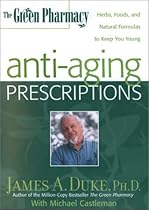 The scientists concluded that if people replaced half the meat and dairy products in their diets with plant foods and vegetable oils, their total cholesterol would decline by 10 to 15 percent. This means that their heart attack risk would fall by 20 to 30 percent.
Unfortunately, the wisdom of a plant-based diet is lost on most Americans. The scientists concluded that if people replaced half the meat and dairy products in their diets with plant foods and vegetable oils, their total cholesterol would decline by 10 to 15 percent. This means that their heart attack risk would fall by 20 to 30 percent.
Unfortunately, the wisdom of a plant-based diet is lost on most Americans. |









 Email this page to a friend