| Polyunsaturated fats and monounsaturated fats, found in liquid vegetable oils, nuts, and seeds, do not have this negative effect, so these are the ones you can have more of. The exception is if they have been bydrogenated (hardened) or partially hydrogenated in processing, as in the case of margarines and shortening. This creates harmful products called transfatty acids. Transfatty acids can raise the "bad" type of cholesterol (LDL) and lower the "good" cholesterol (HDL). |
Dr. Gary Null
See book keywords and concepts |
 Janson adds that people should avoid foods such as sugar, salt, white flour, white rice, and particularly any shortening or hydrogenaled vegetable oils found in products like margarine and Crisco: "Whenever you see vegetable shortening, hydrogenated vegetable oil, or partially hydrogenated vegetable oil on a label, it is important to avoid that product. These are not foods. In fact, I consider margarine to be an industrial waste product that is fashioned to resemble food. Janson adds that people should avoid foods such as sugar, salt, white flour, white rice, and particularly any shortening or hydrogenaled vegetable oils found in products like margarine and Crisco: "Whenever you see vegetable shortening, hydrogenated vegetable oil, or partially hydrogenated vegetable oil on a label, it is important to avoid that product. These are not foods. In fact, I consider margarine to be an industrial waste product that is fashioned to resemble food. |
Jonathan Goodman ND
See book keywords and concepts |
 It's worth taking a look at what makes vegetable oils good—or bad—sources of EFAs. All oils are made by pressing seeds, nuts, or vegetables in order to extract the oils. If the processing stopped right here, most oils would be richer in EFAs than they actually are. Unfortunately, every stage of the manufacturing process creates conditions that degrade EFAs. The more heavily processed the oil, the fewer EFAs it contains.
When you're shopping for oils, here are a few points to keep in mind:
?Buy expeller-pressed or cold-pressed oils. It's worth taking a look at what makes vegetable oils good—or bad—sources of EFAs. All oils are made by pressing seeds, nuts, or vegetables in order to extract the oils. If the processing stopped right here, most oils would be richer in EFAs than they actually are. Unfortunately, every stage of the manufacturing process creates conditions that degrade EFAs. The more heavily processed the oil, the fewer EFAs it contains.
When you're shopping for oils, here are a few points to keep in mind:
?Buy expeller-pressed or cold-pressed oils. |
| This is the type of fat that's found in olive oil and, in smaller amounts, in corn, canola, and other vegetable oils. Research has consistendy shown that monounsaturated fat lowers levels of harmful LDL while simultaneously increasing levels of beneficial HDL.
EFAS AND IMMUNE FUNCTION
In the discussion of eicosanoids earlier in this chapter, we saw how the right balance of EFAs and eicosanoids can help support the immune system. It's not entirely clear how EFAs affect immunity; so far, the findings have been decidedly mixed. |
| Not only are we getting more omega-6s from grains and vegetable oils, but because we feed livestock corn and wheat rather than letting them graze and eat greens, our meats are low in omega-3s.
Over the decades, there's been an alarming increase in degenerative diseases such as diabetes, arthritis, and cancer. An increasing amount of evidence suggests that part of the problem is the ratio between the omega-3 s and omega-6s in our diets. Most experts believe that the ideal ratio is probably in the range of three to six parts omega-6s to one part omega-3s. |
| Just as unrefined, cold-pressed vegetable oils appear to contain the highest levels of healthful ingredients, the best olive oils, which are termed "extra virgin," are those that have undergone the least processing.
Extra virgin olive oil has a deep green color because it's rich in polyphenols, compounds that may be responsible for the oil's cancer-fighting and cholesterol-lowering effects.
There are many different polyphenols, some of which have tongue-twisting chemical names such as oleorupein and hy-droxytyrosol. |
Earl Mindell and Hester Mundis
See book keywords and concepts |
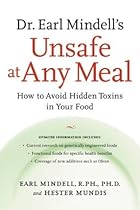 Keep in mind that trans-fats—fats that are produced when vegetable oils are partially hydrogenated to stiffen them for use as margarine or shortening—have been found to be potentially bad for the heart and arteries. See section 54.)
CONSUMER ALERT Dieters, anyone with cardiovascular or gastrointestinal concerns.
Low Sodium A low-sodium product can have no more than 140 mg per serving. This in itself is fine, but it can mislead consumers who are unaware that today's serving sizes might be much smaller than former ones, as is the case with many popular soups and snacks. Keep in mind that trans-fats—fats that are produced when vegetable oils are partially hydrogenated to stiffen them for use as margarine or shortening—have been found to be potentially bad for the heart and arteries. See section 54.)
CONSUMER ALERT Dieters, anyone with cardiovascular or gastrointestinal concerns.
Low Sodium A low-sodium product can have no more than 140 mg per serving. This in itself is fine, but it can mislead consumers who are unaware that today's serving sizes might be much smaller than former ones, as is the case with many popular soups and snacks. |
| Tocopherols The group of compounds (alpha, beta, delta, epsilon, eta, gamma, and zeta) that make vitamin E; obtained through the vacuum distillation of edible vegetable oils.
Topical Applied externally.
Toxicity The quality or condition of being poisonous, harmful, or destructive. Toxin An organic poison produced in living or dead organisms. Trans-fatty acids Artificial fatty acids produced by hydrogenation; although unsaturated, act like saturated fats and are unhealthy. Triglycerides Fatty substances in the blood.
Ulcer Sore or lesion on skin surface or internal mucous membranes. |
| Liquid vegetable oils low in saturated fats and high in polyunsaturates are best, provided they are listed as the products 'first ingredient. Top in polyunsaturates are saftlower oil (10 g per tablespoon), sunflower oil (8.9 g per tablespoon), soybean oil (8.1 g per tablespoon), and corn oil (7.8 g per tablespoon).
?If a label's first ingredient listing is any oil that has been partially hydrogenated or hardened, saturated fat predominates in the product.
?The softer the margarine, the less trans-fatty acids it has. |
| MSG
Aloe extract; allyl sulfide; ammonium chloride; bro-mated vegetable oils; EDTA; L-ascorbic acid (in large doses); magnesium sulfate (Epsom salts); polyoxyethylene stearates; potassium acetate; sodium sulfate
Allyl sulfide; ammonium chloride; propyl gallate (and all alkyl gallates)
FD&C Blue No. |
| There are no sulfites in ordinary milk, butter, and yogurt, but they are in modified dairy products, such as filled milk, which is a specially prepared skim milk in which vegetable oils, rather than animal fats, are added to increase its fat content. Read your labels!
I'm confused. Does a "fortified" product have more orfewer additives than an "enriched" one?
Your confusion is understandable. Although fortification and enrichment are not the same, there is no legal distinction between them. |
Leo Galland
See book keywords and concepts |
 Merely consuming large quantities of vegetable oils, however, is likely to be harmful to the intestinal lining. High intake of polyunsaturated oils increases the free radical content of bile, producing a toxic bile that may damage intestinal integrity.44
In addition to a nutrient-dense diet, I recommend several specific dietary resistance factors to preserve normal intestinal integrity. These should be part of any program for intestinal detoxification.
1. Fiber
Fiber is the indigestible remnants of plant cells. Merely consuming large quantities of vegetable oils, however, is likely to be harmful to the intestinal lining. High intake of polyunsaturated oils increases the free radical content of bile, producing a toxic bile that may damage intestinal integrity.44
In addition to a nutrient-dense diet, I recommend several specific dietary resistance factors to preserve normal intestinal integrity. These should be part of any program for intestinal detoxification.
1. Fiber
Fiber is the indigestible remnants of plant cells. |
James Braly M.D. and Ron Hoggan M.A.
See book keywords and concepts |
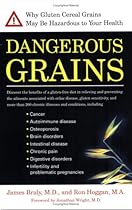 In addition to broccoli, lettuce, and other leafy vegetables, foods rich in vitamin K include pork, liver, and vegetable oils.
Vitamin A deficiency, another problem that often arises from gluten consumption, can cause stunted growth in children and can also impact on adult bones. Because this vitamin coordinates both bone-building and bone-destroying cells, a deficiency may cause a wide range of bone abnormalities. To ensure sufficient vitamin A in your diet, eat foods such as fish, flax, and liver, which are rich in this important vitamin.
BONES ARE VERY MUCH ALIVE
Bones are living tissue. In addition to broccoli, lettuce, and other leafy vegetables, foods rich in vitamin K include pork, liver, and vegetable oils.
Vitamin A deficiency, another problem that often arises from gluten consumption, can cause stunted growth in children and can also impact on adult bones. Because this vitamin coordinates both bone-building and bone-destroying cells, a deficiency may cause a wide range of bone abnormalities. To ensure sufficient vitamin A in your diet, eat foods such as fish, flax, and liver, which are rich in this important vitamin.
BONES ARE VERY MUCH ALIVE
Bones are living tissue. |
Artemis P. Simopoulos, M.D., and Jo Robinson
See book keywords and concepts |
 The main reason for the deluge is our growing reliance on vegetable oils such as corn, saf-flower, sunflower, and cottonseed oil, oils that had no place whatsoever in the evolutionary diet. These oils were not used by traditional societies because they were too difficult to extract. Corn oil is a particularly good example. If you were to shuck a hundred ears of corn and crush them under a stone wheel, you would produce a milky liquid that is only 1 to 3 percent fat, yielding, at best, five tablespoons of corn oil. The main reason for the deluge is our growing reliance on vegetable oils such as corn, saf-flower, sunflower, and cottonseed oil, oils that had no place whatsoever in the evolutionary diet. These oils were not used by traditional societies because they were too difficult to extract. Corn oil is a particularly good example. If you were to shuck a hundred ears of corn and crush them under a stone wheel, you would produce a milky liquid that is only 1 to 3 percent fat, yielding, at best, five tablespoons of corn oil. |
| Liquid vegetable oils present food producers with a number of problems. Corn oil can't be spread on bread, for instance, and it makes a poor pie crust. It is also prone to oxidation by light, air, and heat, especially after the refining process has robbed it of its natural antioxidants and phytochemicals. Hydrogenation was the answer. Through modern alchemy, vegetable oil could be heated, exposed to a metal catalyst such as nickel or copper, and transformed into a more plastic, less perishable fat. |
Carol Simontacchi
See book keywords and concepts |
 It has been speculated that the body can make its own fatty acids from vegetable oils, but Innis goes on to say that whether or not an infant can manufacture his own is dependent on a number of variables, including the vitamin and mineral content of the formula. We certainly can't depend on it, especially since infants may be deficient from birth in some of the nutrients needed to complete the metabolic transformation. It has been speculated that the body can make its own fatty acids from vegetable oils, but Innis goes on to say that whether or not an infant can manufacture his own is dependent on a number of variables, including the vitamin and mineral content of the formula. We certainly can't depend on it, especially since infants may be deficient from birth in some of the nutrients needed to complete the metabolic transformation. |
| All fats, including cold-pressed vegetable oils, promote the growth of cancers in animals . . ."35 McDougall recommends a diet that contains less than five percent of total calories from fat.36
Nathan Pritikin had no formal background in nutritional biochemistry; McDougall is a medical doctor, and we can assume he took at least one course in biochemistry in medical school. Were they right? Is the low-fat diet the answer to all our health ills?
The low-fat diet did clean out the arteries, reducing the incidence and severity of heart disease. |
Dr. Julian Whitaker
See book keywords and concepts |
| And when you eat vegetable oils and nut butters, make sure they're in their natural won't have the high peaks and low valleys you get with refined carbohydrates. Energy, mood, and focus will remain steady.
One final comment on carbohydrates. As I stated before, one of the processes that contributes to aging and deterioration is gly-cation, which stems from the reaction of proteins with excess glucose. Unprocessed, low-glycemic carbohydrates will slow down this degenerative process and protect your body and brain from destructive AGEs. |
| Type of fat found in vegetable oils that has a flexible chemical structure and is liquid at room temperature. See also Monounsaturated fat; Polyunsaturated fat.
Valerian. Herb that promotes sleep without causing daytime sleepiness or impairment in mental or physical performance.
Vinpocetine. Plant-derived nootropic that improves blood flow and oxygen supply to the brain, and protects neurons from the harmful effects of hypoxia. It is used as a therapy for epilepsy, as well as for symptoms of senile dementia and cerebral vascular insufficiency.
Wernicke's area. |
| Type of fat found in vegetable oils such as olive, canola, and peanut. It is liquid at room temperature and relatively stable when exposed to heat. The body can produce this type of fat.
Motor cortex. Functional portion of the cerebrum that conveys signals for action from the brain to the body.
MSG. See Monosodium glutamate.
Myelin sheath. Fatty covering surrounding most nerve fibers that protects and insulates them. It increases the transmission speed of nerve impulses.
Neocortex. See Cerebral cortex.
Nerve growth factor (NGF). |
| Your body produces plenty of cholesterol on its own. and vegetable oils that we commonly consume. The only dietary sources of the omega-3 fatty acids, however, are cold-water fish and flaxseed oil. And once you understand that inflammatory prostaglandins are also formed by fatty acids present in meat and dairy products, you can imagine how common imbalances are. We need to bring this back into balance, and that's why I've devoted this rung of my 10-step program to boosting levels of the omega-3 fatty acids in your brain. |
| The most important dietary fats are polyunsaturated fats, which are found in vegetable oils, nuts and seeds, and cold-water fish. They are the most biologically active of all fats and are involved in energy production, cellular membrane structure, and a host of other functions. Within this class of fats are two unique nutrients known as essential fatty acids (EFAs), which play vital roles in the maintenance of health and the optimal functioning of the brain. (We will discuss EFAs and "brain fats" in detail in Step 4. |
| I suppose by fast-food standards these dietary recommendations would be considered relatively low in fat, but more important are the types of fats included —mainly unprocessed vegetable oils and fats from fish like salmon. The food plan also includes moderate amounts of protein from low-fat sources such as fish, legumes, and poultry.
Simple enough? It truly is simple, which is the beauty of this plan and why it is so easy to adhere to. |
Andrew L. Stoll
See book keywords and concepts |
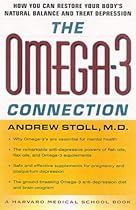 Omega-6 fatty acids are obtained from seed and vegetable oils that have increased in our diet through the incorporation of these oils by the food industry, at the early recommendations of the American Heart Association and others. Omega-6 arachidonic acid competes with the omega-3 EPA to achieve a balanced immune function in health. Like EPA, arachidonic acid is converted to a series of eicosanoids, including prostaglandins and leukotrienes. AA, EPA, and eicosanoids are also important in the formation of cytokines, powerful immune activators. Omega-6 fatty acids are obtained from seed and vegetable oils that have increased in our diet through the incorporation of these oils by the food industry, at the early recommendations of the American Heart Association and others. Omega-6 arachidonic acid competes with the omega-3 EPA to achieve a balanced immune function in health. Like EPA, arachidonic acid is converted to a series of eicosanoids, including prostaglandins and leukotrienes. AA, EPA, and eicosanoids are also important in the formation of cytokines, powerful immune activators. |
Dr. Vern Cherewatenko and Paul Perry
See book keywords and concepts |
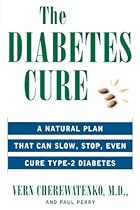 Of these, vitamin E, commonly found in vegetable oils as well as wheat germ, nuts, and green leafy vegetables, is the most promising. Vitamin E appears to reduce low-density lipoprotein (LDL), so-called bad cholesterol. In a trial at the University of Texas, researchers gave healthy patients 120 times the recommended daily average of vitamin E for eight weeks. It significantly reduced LDL oxidation and other processes that contribute to atherosclerosis. Of these, vitamin E, commonly found in vegetable oils as well as wheat germ, nuts, and green leafy vegetables, is the most promising. Vitamin E appears to reduce low-density lipoprotein (LDL), so-called bad cholesterol. In a trial at the University of Texas, researchers gave healthy patients 120 times the recommended daily average of vitamin E for eight weeks. It significantly reduced LDL oxidation and other processes that contribute to atherosclerosis. |
| Best sources include vegetable oils, wheat germ, nuts, and green leafy vegetables. Also an antioxidant, vitamin E seems to protect the lungs and other tissues from damage by free radicals and pollutants.
RDAs: Men—10 milligrams. Women—8 milligrams.
Possible negative effects of higher than recommended intake: Impaired immune function and excess bleeding as well as gasUointestinal discomfort, a complication for which people with diabetes already are at risk; not recommended for people taking anticoagulants.
Vitamin K—clot creator. |
Gale Maleskey
See book keywords and concepts |
 The human body also manufactures its own supply of GLA from linoleic acid, which is abundant in vegetable oils and meats, according to Elson Haas, M.D., director of the Preventive Medical Center of Marin in San Rafael, California, and author of Staying Healthy Shoppers Guide.
In the body, linoleic acid is converted first to GLA and then to di-homo-gamma-linolenic acid (DGLA), a chemical that does wonders for our health. The human body also manufactures its own supply of GLA from linoleic acid, which is abundant in vegetable oils and meats, according to Elson Haas, M.D., director of the Preventive Medical Center of Marin in San Rafael, California, and author of Staying Healthy Shoppers Guide.
In the body, linoleic acid is converted first to GLA and then to di-homo-gamma-linolenic acid (DGLA), a chemical that does wonders for our health. |
Mary G. Enig
See book keywords and concepts |
 I am researching an article on proposed regulations that will permit vegetable oils to be substituted for animal fats in cheese. The resulting product would be legally considered cheese for labeling. The changes are part of harmonization in Codex Alirnentarius. Would you care to comment on the role of saturated fat and the effects of removing it from cheese? Could you comment on the type of fats used to substitute in, what is currently called, imitation cheese? A few words on each topic would be adequate. The article is for a gadfly dairy publication with wide circulation. I am researching an article on proposed regulations that will permit vegetable oils to be substituted for animal fats in cheese. The resulting product would be legally considered cheese for labeling. The changes are part of harmonization in Codex Alirnentarius. Would you care to comment on the role of saturated fat and the effects of removing it from cheese? Could you comment on the type of fats used to substitute in, what is currently called, imitation cheese? A few words on each topic would be adequate. The article is for a gadfly dairy publication with wide circulation. |
Committee on Diet, Nutrition, and Cancer, Assembly of Life Sciences National Research Council
See book keywords and concepts |
 For example, if the variable of interest is total calories from fat rather than the characteristics of specific fats, which may differ according to their sources and processing, then the interviewer need not help the respondent differentiate between animal fats and vegetable oils or between liquid and hydrogenated shortenings. If vitamin C is considered to be the relevant variable rather than fresh citrus fruit, then no effort need be made to sort out the various forms in which oranges might be consumed (e.g., as freshly squeezed or frozen juice, or as whole orange segments). For example, if the variable of interest is total calories from fat rather than the characteristics of specific fats, which may differ according to their sources and processing, then the interviewer need not help the respondent differentiate between animal fats and vegetable oils or between liquid and hydrogenated shortenings. If vitamin C is considered to be the relevant variable rather than fresh citrus fruit, then no effort need be made to sort out the various forms in which oranges might be consumed (e.g., as freshly squeezed or frozen juice, or as whole orange segments). |
Christian B. Allan and Wolfgang Lutz
See book keywords and concepts |
 Animal foods tend to supply equal amounts of the two essential fatty acids, whereas vegetable oils typically contain predominantly one or the other of the essential fatty acids.
CARBOHYDRATES
Carbohydrates are primarily used as an energy source. They are also often attached to proteins to enhance the recognition and specific transport properties of proteins. Some forms of carbohydrates are part of cartilage, and there are a few known carbohydrates that help eliminate toxins from the body.
To our knowledge, there has never been an essential carbohydrate discovered. Animal foods tend to supply equal amounts of the two essential fatty acids, whereas vegetable oils typically contain predominantly one or the other of the essential fatty acids.
CARBOHYDRATES
Carbohydrates are primarily used as an energy source. They are also often attached to proteins to enhance the recognition and specific transport properties of proteins. Some forms of carbohydrates are part of cartilage, and there are a few known carbohydrates that help eliminate toxins from the body.
To our knowledge, there has never been an essential carbohydrate discovered. |









 Email this page to a friend