| I3C, found in the cruciferous vegetables (e.g., broccoli, brussels sprouts, cabbage, cauliflower, bok choy), has been found to play a positive role in preventing or stopping various types of cancer (Grubbs et al. 1995). DC was shown to prevent the development of vaginal and cervical cancers in HPV-16 transgenic mice (Jin et al. 1999). According to Sepkovic et al. (1995), women with cervical intraepithelial neoplasia II and III (CINII and CINIII) have lower estrogen metabolites ratios than normal women. |
Gary Null
See book keywords and concepts | | These are cancer-preventing foods, so they're good to eat—but in moderation, because an overdose of these cruciferous vegetables can be a problem for some people. The bottom line is that you should not believe the commonly accepted medical line that the cause of hypothyroidism is unknown.
Treatment for Hypothyroidism
Orthodox medicine treats hypothyroidism with doses of thyroxine to substitute for the hormone your gland is not able to produce.
Alternative treatment includes detoxification, diet improvement, and stress reduction. | | Dietary changes include limiting iodine to less than 150 meg per day, and replacing iodized salt with a good quality sea salt. Add cruciferous vegetables such as broccoli and cabbage to your diet, along with almonds and peanuts, to help block iodine absorption. Avoid wheat, dairy products and meat containing hormones and antibiotics, saturated fats, sugar, and the sugar substitute aspartame. Add seaweeds and algaes to your diet. |
The Life Extension Editorial Staff
See book keywords and concepts | 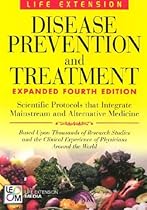 The substance was indole-3-carbinol (IC3), a phytochemical isolated from cruciferous vegetables (broccoli, cauliflower, Brussels sprouts, turnips, kale, green cabbage, mustard seed, etc.). I3C was then given to 17 men and women for 2 months. Again, levels of strong estrogen declined, and levels of weak esttogen increased. But more importantly, the level of an estrogen metabolite associated with breast and endometrial cancer (16,alpha-hydroxyestrone) fell (Bradlow et al. 1991). The substance was indole-3-carbinol (IC3), a phytochemical isolated from cruciferous vegetables (broccoli, cauliflower, Brussels sprouts, turnips, kale, green cabbage, mustard seed, etc.). I3C was then given to 17 men and women for 2 months. Again, levels of strong estrogen declined, and levels of weak esttogen increased. But more importantly, the level of an estrogen metabolite associated with breast and endometrial cancer (16,alpha-hydroxyestrone) fell (Bradlow et al. 1991). |
Patrick Quillin, PhD,RD,CNS
See book keywords and concepts |  Scientists at Johns Hopkins University found that lab animals fed cruciferous vegetables and then exposed to the deadly carcinogen aflatoxin had a 90 percent reduction in their cancer rate.10
Cruciferous vegetables are able to increase the body's production of glutathione peroxidase, which is one of the more important protective enzyme systems in the body.
-Mushrooms. Gourmet chefs have long prized various mushrooms for their subtle and exotic flavors. Now there is an abundance of scientific evidence showing that Rei-shi, Shiitake, and Maitake mushrooms are potent anti-cancer foods. Scientists at Johns Hopkins University found that lab animals fed cruciferous vegetables and then exposed to the deadly carcinogen aflatoxin had a 90 percent reduction in their cancer rate.10
Cruciferous vegetables are able to increase the body's production of glutathione peroxidase, which is one of the more important protective enzyme systems in the body.
-Mushrooms. Gourmet chefs have long prized various mushrooms for their subtle and exotic flavors. Now there is an abundance of scientific evidence showing that Rei-shi, Shiitake, and Maitake mushrooms are potent anti-cancer foods. |
John Boik
See book keywords and concepts | 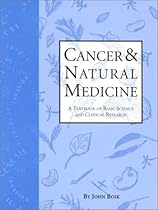 Regular consumption of cruciferous vegetables (cabbage, broccoli, etc.) is associated with reduced rates of colon, lung, and other cancers in humans. In addition, they may have a role in cancer treatment. Orally administered indoles from cruciferous vegetables prevent the development of multidrug resistance in chemotherapy-treated mice (Christensen and Le-Blanc, 1996).
Some non-nutrient factors may inhibit both carcinogenesis and the growth of established tumors. Regular consumption of cruciferous vegetables (cabbage, broccoli, etc.) is associated with reduced rates of colon, lung, and other cancers in humans. In addition, they may have a role in cancer treatment. Orally administered indoles from cruciferous vegetables prevent the development of multidrug resistance in chemotherapy-treated mice (Christensen and Le-Blanc, 1996).
Some non-nutrient factors may inhibit both carcinogenesis and the growth of established tumors. |
Gary Null
See book keywords and concepts | | Eat cruciferous vegetables (cauliflower, brussels sprouts, broccoli, etc.), preferably organically grown; if that doesn't fit your budget, wash all your fruits and vegetables in VegiWash. This will remove pesticide surface residues.
5. Buy your foods in glass containers; avoid cans and plastic.
6. Take supplements, especially vitamins C and E, and minerals such as magnesium. Check out the literature and take charge of your health. If you need hormones, consider primarily natural ones and/or transdermally administered varieties in the smallest possible doses—they bypass the liver.
7. |
Ralph W. Moss, Ph.D.
See book keywords and concepts |  The compound is also found in other cruciferous vegetables, such as brussels sprouts, cauliflower and kale, and in such non-cruciferous vegetables as carrots and green onions. It is not destroyed by microwaving or steaming. The Johns Hopkins research was published in the March 15,1992 issue of the Proceedings of the National Academy ofSciences (6,7).
1. Albert PM. Physiological effects of cabbage with reference to its potential as a dietary cancer-inhibitor and its use in ancient medicine. J Ethnopharmacol.l983;9:261-72.
2. Stoewsand GS, et al. The compound is also found in other cruciferous vegetables, such as brussels sprouts, cauliflower and kale, and in such non-cruciferous vegetables as carrots and green onions. It is not destroyed by microwaving or steaming. The Johns Hopkins research was published in the March 15,1992 issue of the Proceedings of the National Academy ofSciences (6,7).
1. Albert PM. Physiological effects of cabbage with reference to its potential as a dietary cancer-inhibitor and its use in ancient medicine. J Ethnopharmacol.l983;9:261-72.
2. Stoewsand GS, et al. |
Gary Null
See book keywords and concepts | | Dietary sources of vitamin C include citrus fruits; cruciferous vegetables; raw or cooked green or red sweet peppers; raw or cooked snow peas; cooked kohlrabi; baked or boiled sweet potato; boiled green or ripe plantain; cantaloupe; honeydew melon; frozen, unsweetened peaches; cooked asparagus; raw or frozen unsweetened strawberries; and papaya.
Take bioflavonoids with vitamin C because bioflavonoids enhance the benefits of vitamin C to fortify your immune system. Bioflavonoids promote capillary health. | | You need 40 to 50 grams of high-quality fiber per day from a variety of grains, legumes, nuts, seeds, millet, buckwheat, brown rice, spelt, rye, quinoa, oats, vegetables and fruits including yams, potatoes, sweet potatoes, gourds, squashes, and preferably five servings of cruciferous vegetables per day such as broccoli, cabbage, cauliflower, onions, asparagus, and mustard sprouts. During times that require extra protein you can add fatty deepwater fish, cod, tuna, sole, mackerel, grouper, salmon, or sardines. |
Laurie Deutsch Mozian, M.S., R.D.
See book keywords and concepts | 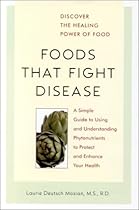 Indole-3-carbinol (I3C) is formed when broccoli or other cruciferous vegetables are chewed. The action of chewing releases the enzyme myrosinase from one compartment in the vegetable cell, whereupon it is mixed with another enzyme (glucobrassicin); together they form the active phytochemical indole-3-carbinol.
I3C is a phytochemical that fights cancer in a variety of ways. It acts as a blocking agent against cancer-causing substances by inducing the activity of the phase II enzyme glutathione-S-transferase, but at the same time it stimulates the mixed-function oxidase system. Indole-3-carbinol (I3C) is formed when broccoli or other cruciferous vegetables are chewed. The action of chewing releases the enzyme myrosinase from one compartment in the vegetable cell, whereupon it is mixed with another enzyme (glucobrassicin); together they form the active phytochemical indole-3-carbinol.
I3C is a phytochemical that fights cancer in a variety of ways. It acts as a blocking agent against cancer-causing substances by inducing the activity of the phase II enzyme glutathione-S-transferase, but at the same time it stimulates the mixed-function oxidase system. |
Jean Carper
See book keywords and concepts | 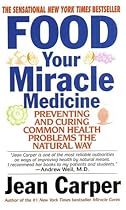 Their research reveals that specific indoles in these cruciferous vegetables accelerate a process in which the body deactivates or disposes of the type of estrogen that can promote breast cancer.
In tests on women and men, the cabbage compound "turned up" the estrogen-deactivation process by about 50 percent, says Dr. Michnovicz. The test dose, as usual, exceeded what people would ordinarily eat: a daily 500 milligrams of indole-3-carbinol, the amount in about fourteen ounces of raw cabbage. But eating less would also burn up estrogen to a lesser degree. Their research reveals that specific indoles in these cruciferous vegetables accelerate a process in which the body deactivates or disposes of the type of estrogen that can promote breast cancer.
In tests on women and men, the cabbage compound "turned up" the estrogen-deactivation process by about 50 percent, says Dr. Michnovicz. The test dose, as usual, exceeded what people would ordinarily eat: a daily 500 milligrams of indole-3-carbinol, the amount in about fourteen ounces of raw cabbage. But eating less would also burn up estrogen to a lesser degree. |
J. Robert Hatherill
See book keywords and concepts |  Rich dietary sources of vitamin C include citrus fruits, cruciferous vegetables, peppers, and potatoes. enhances immune system functions
The RDA of vitamin C in adults is 60 milligrams. Vitamin C is necessary for making collagen, the most common protein in the body. Collagen is part of the supporting structure of skin, cartilage, tendons, ligaments, bones, teeth, and blood vessels. Without plenty of vitamin C, collagen that is formed is weak, easily degraded, and is more susceptible to tumor invasion.
As an antioxidant, vitamin C protects DNA from free radical damage and from mutagens. Rich dietary sources of vitamin C include citrus fruits, cruciferous vegetables, peppers, and potatoes. enhances immune system functions
The RDA of vitamin C in adults is 60 milligrams. Vitamin C is necessary for making collagen, the most common protein in the body. Collagen is part of the supporting structure of skin, cartilage, tendons, ligaments, bones, teeth, and blood vessels. Without plenty of vitamin C, collagen that is formed is weak, easily degraded, and is more susceptible to tumor invasion.
As an antioxidant, vitamin C protects DNA from free radical damage and from mutagens. |
Jean Carper
See book keywords and concepts | | Garlic was considered a holy plant. cruciferous vegetables (cabbage and broccoli) were cultivated primarily for medicinal purposes and were used therapeutically against headache, deafness, diarrhea, gout, and stomach disorders ... The ancient Romans believed that lentils were a cure for diarrhea and conducive to an even temper. Raisins and grapes had many medicinal uses and were incorporated into oral preparations, enemas, inhalations, and topical applications."
Since the dawn of civilization, we have relied on the forests, fields and gardens for our medicines. |
J. Robert Hatherill
See book keywords and concepts | | Landmark studies have discovered that cruciferous vegetables are a formidable dietary deterrent to breast cancer, and offer protection against colon and lung cancer as well. Crucifers possess at least three compounds that are likely to be cancer suppressing. One of the most striking substances is the indole-3-carbinol, which powerfully boosts the estrogen C-2 pathway. Green tea and licorice root have also been shown to favor the cancer-zapping C-2 pathway.
Certain plant chemicals may forcibly stifle cancer by altering hormone metabolism. |
Prevention Magazine
See book keywords and concepts |  That's why, although studies show that people who eat cruciferous vegetables are protected from all kinds of cancers, these foods are probably most useful for fighting cancers of the colon, breast, and prostate," says Dr. Michnovicz.
Immune Power
Cauliflower does more than protect against cancer. It's also packed with vitamin C and folate, two nutrients that are well-known for keeping your immune system in peak condition.
Just three uncooked florets of this crisp crucifer supply 67 percent of the Daily Value (DV) for vitamin C—more than the amount in a tangerine or a white grapefruit. That's why, although studies show that people who eat cruciferous vegetables are protected from all kinds of cancers, these foods are probably most useful for fighting cancers of the colon, breast, and prostate," says Dr. Michnovicz.
Immune Power
Cauliflower does more than protect against cancer. It's also packed with vitamin C and folate, two nutrients that are well-known for keeping your immune system in peak condition.
Just three uncooked florets of this crisp crucifer supply 67 percent of the Daily Value (DV) for vitamin C—more than the amount in a tangerine or a white grapefruit. | | Indoles
Broccoli, cabbage, and other cruciferous vegetables have a bitter taste that bugs don't like. |
J. Robert Hatherill
See book keywords and concepts | | All of them: þAre antimicrobial þPrevent tumors þLower risk of stroke (decrease platelet sticking) þLower nitrosamine formation þLower lipids þInhibit cancers (skin, stomach, liver, colon, lung, cervix) þBlock formation of cancer-causing compounds (nitrosamine) þInhibit chemical toxicity such as acetaminophen and tobacco þInhibit prostaglandins that play a role in cancer Cruciferous Group
For thousands of years cruciferous vegetables have been used for food, and used medicinally to treat gout, diarrhea, stomach ailments, headaches, mushroom poisoning, and to promote wound healing. | | A constant infusion of garlic and cruciferous vegetables is specifically associated with reduced colon cancer.
Nut and Seed Group
Seeds and nuts are especially cancer-bashing because they contain strong antioxidants in order to maintain the viability of the seed. A seed is part of a flowering plant that contains an embryo. Nuts such as hazelnuts and chestnuts are actually a single-seeded dry fruit. Brazil nuts are not true nuts either but are seeds, as are almonds, pecans, walnuts, and coconuts. Legumes are in the seed family and include peanuts, beans, and peas. | | Rice, corn, and beans contain protease inhibitors, and their consumption can lower
ANTICANCER BENEFITS OF cruciferous vegetables protect DNA increase detoxification may prevent cancers of the breast, prostate, lung, throat, stomach, and colon block chemical toxicity (aflatoxin) incidences of breast, colon, and prostate cancer. Since seeds contain high concentrations of protease inhibitors, they may limit the occurrence of these cancers in humans. Continuing experiments have shown that protease inhibitors also hinder tumor development and can reduce the size of tumors as well. | | A natural constituent of cruciferous vegetables that blocks the growth of tumors.
Initiation
Considered the first phase in the progression of cancer, where cells are exposed to a cancer-producing agent. During this stage an irreversible change takes place in the DNA of initiated cells that make it more sensitive to other chemical exposures.
Insulin
A protein hormone made by the beta cells of pancreatic islets. Insulin lowers the blood sugar levels and influences fat and amino acid conversions. |
Laurie Deutsch Mozian, M.S., R.D.
See book keywords and concepts | | Indole-3-carbinol is found in the family of cruciferous vegetables: Brussels sprouts, cabbage, kale, cauliflower, broccoli, collard greens, kohlrabi, rutabaga, turnips, arugula, and watercress. There is great variation in the amount of I3C among different varieties of the same vegetable. Deviations appear to stem chiefly from growing conditions, plant genetics, and age at the time of harvest.
All About lndole-3-Carbinol and Estrogen
By now, you are probably aware that there are two types of cholesterol: the bad, artery-clogging LDL and the good, artery-cleaning HDL. |
Jean Carper
See book keywords and concepts | | DIET ANTIDOTES TO BREAST CANCER
Foods That May Discourage Breast Cancer: Cabbage
• Broccoli • Other cruciferous vegetables • High-Vitamin C Fruits and Vegetables • Beans • Soybeans • Oily Fish • Wheat Bran • Olive Oil
Foods That May Promote Breast Cancer: Meat • Saturated Fatty Foods • Omega-6 Vegetable Oils, Such as Com Oil
• Alcohol
What you eat may influence whether you get breast cancer, how fast it grows, whether it spreads to other parts of your body, and even its final outcome. |
Prevention Magazine
See book keywords and concepts | | Snuffing Out Cancer
Population studies show that people who eat plenty of cruciferous vegetables, like watercress, have lower rates of cancer. Watercress researchers will tell you that this crucifer is particularly potent against lung cancer caused by smoking or breathing secondhand smoke. |
Laurie Deutsch Mozian, M.S., R.D.
See book keywords and concepts | | Benzyl isothiocynate is present in the family of cruciferous vegetables, including Brussels sprouts, cabbage, kale, cauliflower, broccoli, collard greens, kohlrabi, rutabaga, turnips, arugula, and watercress. A daily serving of at least one of these vegetables could offer a chemopreventive dose.
Beta-carotene (BAY-tuh CAR-uh-teen). Beta-carotene is a yellow-orange pigment in some fruits and vegetables. It is a member of the carotenoid family of phytochemicals. Beta-carotene is converted into vitamin A by the liver and fulfills all of the biological tasks of vitamin A. | | Sulfora-phane, benzyl isothiocynate, and phenyl ethyl isothiocynate (PEITC) are members of the isothiocynate group, which are found in cruciferous vegetables.
Monoterpenes
Monoterpenes are a class of phytochemicals that includes limonene, perillyl alcohol, and carvone. Monterpenes, which are a subclass of isoprenoids, have a chemical structure that contains ten carbons. Monoterpenes are found in citrus fruits, cherries, spearmint, caraway, and dill, among other edible plants. They act as anticarcinogens because they induce glutathione-S-transferase activity. | | Try to include at least three to four servings of cruciferous vegetables a week in your diet.
Fresh Produce
Most fresh produce contains chlorogenic acid, which acts as a blocking agent against cancer. Fresh produce is also rich in caffeic and fer-ulic acids. These acids block the formation of carcinogens and keep the cancer-causing compounds from reacting with the cells necessary to promote and stimulate cancer growth. Yet another phytochemical, quercetin, is found in high concentrations in the outer layers of deeply colored fruits and vegetables. | | Phenyl ethyl isothiocynate (PEITC) is a phytochemical found in the entire family of cruciferous vegetables; however, watercress is the richest known source. PEITC demonstrates potent anticancer action, particularly in the lungs. In animal studies, when lung tumor growth was stimulated by a known carcinogen in cigarette smoke (4-methyl-nitrosamino)-l-(3-p)Tidyl)-l-butanone, more succinctly known as NNK, PEITC inhibited the growth of lung tumors by 50 percent. PEITC works by blocking the activation of NNK, the most potent cancer-causing substance found in cigarette smoke. |
Ralph Golan, M.D.
See book keywords and concepts |  Avoid frequently eating raw cruciferous vegetables, such as broccoli, cauliflower, kale, cabbage, and brus-sels sprouts, as they antagonize the thyroid. Thyroid function enhances the metabolic functioning of the liver and has somewhat antagonistic effects itself on estrogen. Test your thyroid function (see HYPOTHY-
ROIDISM). Substitute kelp or dulse as sources of iodine for thyroid support.
HERBAL REMEDIES
• To help with excessive bleeding, a combination milium and viburnum tincture (fifteen to twenty-five drops three or four times a day) is often very effective. Avoid frequently eating raw cruciferous vegetables, such as broccoli, cauliflower, kale, cabbage, and brus-sels sprouts, as they antagonize the thyroid. Thyroid function enhances the metabolic functioning of the liver and has somewhat antagonistic effects itself on estrogen. Test your thyroid function (see HYPOTHY-
ROIDISM). Substitute kelp or dulse as sources of iodine for thyroid support.
HERBAL REMEDIES
• To help with excessive bleeding, a combination milium and viburnum tincture (fifteen to twenty-five drops three or four times a day) is often very effective. |
Larry Trivieri, Jr.
See book keywords and concepts |  Lack of iodine can also result in thyroid imbalances as well. Raw cruciferous vegetables (cabbage, broccoli, or cauliflower) contain thyroid inhibitors; lightly steaming them eliminates these substances. Liver, while a nourishing food, contains thyroid inhibitors and there is some evidence that soy affects thyroid function.13 Other dietary influences include vitamin deficiencies (particularly vitamins A and B), mineral deficiencies (zinc, copper, iron, and selenium), and excess intake of polyunsaturated fats (such as those found in soybean, safflower, and corn oils). Lack of iodine can also result in thyroid imbalances as well. Raw cruciferous vegetables (cabbage, broccoli, or cauliflower) contain thyroid inhibitors; lightly steaming them eliminates these substances. Liver, while a nourishing food, contains thyroid inhibitors and there is some evidence that soy affects thyroid function.13 Other dietary influences include vitamin deficiencies (particularly vitamins A and B), mineral deficiencies (zinc, copper, iron, and selenium), and excess intake of polyunsaturated fats (such as those found in soybean, safflower, and corn oils). |
page 7 of 13 | Next ->
FAIR USE NOTICE: The research quoted here is provided under the protection of Fair Use provisions and published by the 501(c)3 non-profit Consumer Wellness Center for the purposes of public comment and education. Authors / publishers may submit books for consideration of inclusion here.
TERMS OF USE: Read full terms of use. Citations of text from NaturalPedia must include: 1) Full credit to the original author and book title. 2) Secondary credit to the Natural News Naturalpedia as a research resource and a link to www.NaturalNews.com/np/index.html
This unique compilation of research is copyright (c) 2008 by the non-profit Consumer Wellness Center.
ABOUT THE CREATOR OF NATURALPEDIA: Mike Adams, the creator of this NaturalNews Naturalpedia, is the editor of NaturalNews.com, the internet's top natural health news site, creator of the Honest Food Guide (www.HonestFoodGuide.org), a free downloadable consumer food guide based on natural health principles, author of Grocery Warning, The 7 Laws of Nutrition, Natural Health Solutions, and many other books available at www.TruthPublishing.com, creator of the earth-friendly EcoLEDs company (www.EcoLEDs.com) that manufactures energy-efficient LED lighting products, founder of Arial Software (www.ArialSoftware.com), a permission e-mail technology company, creator of the CounterThink Cartoon series (www.NaturalNews.com/index-cartoons.html) and author of over 1,500 articles, interviews, special reports and reference guides available at www.NaturalNews.com. Adams' personal philosophy and health statistics are available at www.HealthRanger.org.
|
 |
Refine your search
with Cruciferous vegetables...
...and Foods and Beverages:...and Vegetables
...and Broccoli
...and Cabbage
...and Cauliflower
...and Sprouts
...and Fruits
...and Kale
...and Greens
...and Vegetable
...and Onions
...and Health Conditions and Diseases:...and Cancer
...and Breast cancer
...and Cancers
...and Colon cancer
...and Heart disease
...and Tumors
...and Inflammation
...and Pain
...and Cancer cells
...and Diabetes
...and Key Health Concepts:...and Foods
...and Diet
...and Phytochemicals
...and Disease
...and Chemicals
...and Health
...and Nutrients
...and Hormone
...and Products
...and Plants
...and Anatomy:...and Body
...and Breast
...and Cells
...and Liver
...and Colon
...and Stomach
...and Lung
...and Blood
...and Thyroid
...and Heart
...and Concepts:...and Risk
...and Studies
...and Source
...and Study
...and Research
...and Production
...and Substances
...and Damage
...and Sources
...and Block
...and Adjectives:...and Green
...and Raw
...and Anticancer
...and Fresh
...and Natural
...and Whole
...and Red
...and Dietary
...and Frozen
...and Beneficial
...and Actions:...and Eat
...and Eating
...and Growth
...and Avoid
...and Cooking
...and Rid
...and Drink
...and Preventing
...and Adding
...and Taking
...and Physiology:...and Prevent
...and Increase
...and Helps
...and Immune
...and Effects
...and Intake
...and Levels
...and Effect
...and Function
...and Protective
...and Nutrients:...and Vitamin
...and Antioxidant
...and Vitamin C
...and Calcium
...and Antioxidants
...and Beta-carotene
...and Enzyme
...and Flavonoids
...and Folic acid
...and Glutathione
...and Macronutrients:...and Enzymes
...and Fiber
...and Seeds
...and Calories
...and Oils
...and Protein
...and Carbohydrates
...and Minerals
...and Fatty acids
...and Fats
...and Objects:...and People
...and University
...and Plant
...and Oil
...and Produce
...and Diets
...and Vitamins
...and List
...and Garden
...and Compound
...and Substances:...and Acid
...and Food
...and Water
...and Bacteria
...and Acids
...and Extract
...and Lead
...and Heavy metals
...and Metals
...and Viruses
...and Who:...and Women
...and Family
...and Men
...and Animals
...and Human
...and Americans
...and Patients
...and Babies
...and Children
...and Male
...and Hormones and Biochemistry:...and Estrogen
...and Hormones
...and Estrogens
...and Insulin
...and Steroid
...and Methionine
...and Stomach acid
...and Saliva
...and Neurotransmitter
...and Cortisol
...and Plants and Herbs:...and Garlic
...and Green tea
...and Root
...and Leaves
...and Olive
...and Rosemary
...and Kelp
...and Turmeric
...and Ginger
...and Sage
...and Chemicals:...and Carcinogens
...and Pesticides
...and Free radicals
...and Caffeine
...and Carcinogen
...and Aluminum
...and Additives
...and Mercury
...and Chlorine
...and Medical Terms:...and Properties
...and Dose
...and Results
...and Gene
...and Doses
...and Inhibitors
...and Dosage
...and Drops
...and Syndrome
...and Placebo
...and Medical Adjectives:...and Cellular
...and Digestive
...and Oral
...and Gastrointestinal
...and Respiratory
...and Carcinogenic
...and Ovarian
...and Antibacterial
...and Genetic
...and Uterine
...and Where:...and Chinese
...and United states
...and New york
...and Harvard
...and Japan
...and Asian
...and New york city
...and California
...and Europe
...and England
...and Biological Functions:...and Metabolism
...and Attention
...and Digestion
...and Memory
...and Period
...and Strength
...and Weight loss
...and Concentration
...and Vision
...and Menstruation
...and Treatment Modalities:...and Detoxification
...and Aerobic exercise
...and Relaxation
...and Cleanse
...and Homeopathy
...and Organizations:...and National cancer institute
...and Nci
...and Medical school
...and School of medicine
...and Health food stores
...and Clinic
...and Manufacturers
...and Lancet
...and Epa
...and Organizations
|
Related Concepts:
Vegetables
Cancer
Broccoli
Cabbage
Foods
Cauliflower
Eat
Sprouts
Body
Diet
Estrogen
Brussels sprouts
Breast
Enzymes
Breast cancer
Risk
Phytochemicals
Cruciferous
Fruits
Indoles
Green
Eating
Kale
Raw
Studies
Acid
Cells
Greens
People
Anticancer
Vegetable
Food
Carcinogens
Fresh
Fiber
Cancers
Prevent
Vitamin
Antioxidant
Liver
Onions
Sulforaphane
Source
Study
Colon
Disease
Women
Chemicals
Growth
Fruits and vegetables
Garlic
Tomatoes
Family
Health
Fruit
Increase
Research
Vitamin C
Production
Detoxification
Substances
Seeds
Nutrients
Colon cancer
Helps
Immune
Damage
Natural
Tea
University
Plant
Effects
Avoid
Turnips
Men
Intake
Levels
Heart disease
Citrus
Effect
Stomach
Oil
Calcium
Cooking
Whole
Isothiocyanates
Tumors
Sources
Spinach
Hormone
Grains
Beans
Soybeans
Lung
Red
Watercress
Blood
Nuts
Phytochemical
Leafy
|









 Email this page to a friend