Neal Barnard, M.D.
See book keywords and concepts |  The strongest enzyme inducers are found in cruciferous vegetables: broccoli, cauliflower, Brussels sprouts, cabbage, and kale.
• Fruits and certain raw vegetables (carrots, lettuce, cucumbers, tomatoes, cabbage, and green peppers) supply glutathione, which helps carry chemicals out of the body.
• A low-fat vegetarian diet may discourage chemicals from entering your body by reducing the amount of cholesterol in your blood. Chemical roxins travel on cholesterol particles.
• Avoiding fish and other animal products reduces your exposure to chemicals that concentrate in their tissues. The strongest enzyme inducers are found in cruciferous vegetables: broccoli, cauliflower, Brussels sprouts, cabbage, and kale.
• Fruits and certain raw vegetables (carrots, lettuce, cucumbers, tomatoes, cabbage, and green peppers) supply glutathione, which helps carry chemicals out of the body.
• A low-fat vegetarian diet may discourage chemicals from entering your body by reducing the amount of cholesterol in your blood. Chemical roxins travel on cholesterol particles.
• Avoiding fish and other animal products reduces your exposure to chemicals that concentrate in their tissues. | | However, some vegetables, particularly cruciferous vegetables, spinach, chard, and potatoes, are better cooked than raw. Cooking eliminates toxins that can be present in some plants. Avoid adding butter, margarine, or oily salad dressings to vegetables. Instead, a sprinkle of lemon juice on broccoli or salad greens makes them much more palatable to reluctant vegetable eaters. Organic vegetables are preferable and are now widely available at health food stores.
2. Legumes. The legume group includes beans, peas, and lentils. |
Barnet Meltzer, M.D.
See book keywords and concepts |  Cabbage, cauliflower, and the rest of the cruciferous family mix well with beets, carrots, and other root vegetables. Cabbage also adds a pungent flavor to vegetable soups, brown rice, and whole grain pasta.
CARROTS
Notable Personality Factors: Carrots energize and animate—where do you think Bugs Bunny gets all that get-up-and-gumption? A glass of fresh-squeezed carrot juice provides an almost-instant boost. Hundreds of years ago, carrots were used to treat nervous conditions. Cabbage, cauliflower, and the rest of the cruciferous family mix well with beets, carrots, and other root vegetables. Cabbage also adds a pungent flavor to vegetable soups, brown rice, and whole grain pasta.
CARROTS
Notable Personality Factors: Carrots energize and animate—where do you think Bugs Bunny gets all that get-up-and-gumption? A glass of fresh-squeezed carrot juice provides an almost-instant boost. Hundreds of years ago, carrots were used to treat nervous conditions. | | Nutrient Value: All members of the cruciferous family are high in anticancer nutrients: flavonoids, indoles, phenols, and other antioxidants. Cabbages also contain a plentiful supply of vitamins C and E, calcium, iron, potassium, and fiber.
Selection and Care: Select fresh, firm, crisp cabbages with compact heads, heavy for their size, and tightly wrapped leaves free of discoloration at the edges.
Optimal Use and Combining: Raw green and red cabbage can be tossed in salads or grated for a vegan coleslaw. Cabbage soup is particularly fortifying in cold winter months. |
Earl Mindell, R.Ph., Ph.D.
See book keywords and concepts |  Some people find that the salty flavor neutralizes the bitter cruciferous flavor. But if you have high blood pressure, do not salt your food.
Facts
Bromelain, an en/.yine derived from pineapple juice, has powerful anti-inflammatory and protein-digesting properties. An excellent digestive aid, bromelain enhances the absorption of nutrients from foods and supplements. Bromelain can also be taken to reduce pain and inflammation following injury, and in at least one respect it offers a decided advantage over nonsteroidal antiinflammatory drugs (NSAIDs) such as ibuprofen and naprosyn. Some people find that the salty flavor neutralizes the bitter cruciferous flavor. But if you have high blood pressure, do not salt your food.
Facts
Bromelain, an en/.yine derived from pineapple juice, has powerful anti-inflammatory and protein-digesting properties. An excellent digestive aid, bromelain enhances the absorption of nutrients from foods and supplements. Bromelain can also be taken to reduce pain and inflammation following injury, and in at least one respect it offers a decided advantage over nonsteroidal antiinflammatory drugs (NSAIDs) such as ibuprofen and naprosyn. | | The good news is that many of the beneficial substances found in cruciferous vegetables have been extracted from broccoli and are now available in pills or capsules. I'm not suggesting that swallowing a pill is as beneficial as eating a plate of fresh vegetables; vegetables contain fiber and other good things that may not find their way into a supplement. I do believe, however, that broccoli isolates offer many of the advantages of the whole vegetable and are a good alternative for people who do not eat these vegetables anyway.
Possible Benefits
Can inhibit the formation of cancerous tumors. |
Barnet Meltzer, M.D.
See book keywords and concepts | | Therapeutic and Healing Powers: Like all other cruciferous veggies, cabbage combats cancer. Even the American Cancer Society says so. Fighter phytonutrients such as indoles and isothiocyanites block cancerous cell formation. Cabbages have been specifically linked to a lower incidence of colon cancer: The vegetable triggers the detoxification and elimination of harmful chemicals and hormones found in food, water, and air pollutants. Red cabbage regenerates the bowels, and green cabbage has been shown to successfully treat peptic ulcer disease. | | Therapeutic and Healing Powers: As a member of the cruciferous, or cabbage, family (which also includes Brussels sprouts, cauliflower, kale, mustard greens, rutabagas, and turnips), broccoli is endowed with incredible cancer-inhibiting properties. Potent antioxidant phytonutrients such as indoles, glucosinolates, and dithiolthiones work hard to prevent cancer?particularly estrogen-related cancers—from developing. A highly alkaline green vegetable, broccoli is also good for the liver, kidneys, and spleen. Its high iron content benefits the blood. |
Earl Mindell, R.Ph., Ph.D.
See book keywords and concepts | | About 25 percent of the population has an inherited aversion to the bitter taste of cruciferous vegetables. Researchers have dubbed these people "supertasters" because they are highly sensitive to certain flavors. Because of self-imposed dietary limitations, most supertasters do not get all the beneficial phytochemicals from their food that they need to maintain optimum health. |
Laurie Deutsch Mozian, M.S., R.D.
See book keywords and concepts |  To give you an idea of the steps that are needed to bring one food and its phytochemicals to the attention of the public, consider the journey of cabbage, one of the cruciferous vegetables, and its cluster of phytochemicals as they gained acceptance for their ability to deflect disease.
A Global Effort
Cabbage first came to the attention of researchers after they observed that women living in Eastern European countries surrounding Poland and Russia were much less likely to develop breast cancer than American women. To give you an idea of the steps that are needed to bring one food and its phytochemicals to the attention of the public, consider the journey of cabbage, one of the cruciferous vegetables, and its cluster of phytochemicals as they gained acceptance for their ability to deflect disease.
A Global Effort
Cabbage first came to the attention of researchers after they observed that women living in Eastern European countries surrounding Poland and Russia were much less likely to develop breast cancer than American women. |
Barnet Meltzer, M.D.
See book keywords and concepts | | Optimal Use and Combining: Combine fresh carrots with cruciferous vegetables for an anti-cancer crudites plate. Carrot sticks make edible utensils for vegan mayonnaise, almond butter spreads, tomato-onion salsa, and fresh guacamole. Chopped raw carrots add crunch to leafy green salads and mix especially well with zucchini and romaine lettuce. Steamed carrots make a tasty side for a baked potato. Refrigerate carrots prior to blending them into juice, and if the taste of fresh carrot juice seems a little strong for the untrained stomach, sweeten the drink with a touch of apple. |
Elson M. Haas, M.D.
See book keywords and concepts |  Vitamins C and E, beta-carotene, and selenium, plus the plant sterols and antioxidant phenolic compounds like bioflavonoids from foods such as berries and citrus fruits, all seem to be beneficial factors. The cruciferous vegetables, such as broccoli and cabbage, seem to have other factors such as sulfhydryl-containing molecules besides the fiber that may protect against the development of cancer.
Cancer of the breast and a high-fat diet have been shown to be related for some time. It is thought that saturated fats generate more cholesterol and higher estrogen levels in women. Vitamins C and E, beta-carotene, and selenium, plus the plant sterols and antioxidant phenolic compounds like bioflavonoids from foods such as berries and citrus fruits, all seem to be beneficial factors. The cruciferous vegetables, such as broccoli and cabbage, seem to have other factors such as sulfhydryl-containing molecules besides the fiber that may protect against the development of cancer.
Cancer of the breast and a high-fat diet have been shown to be related for some time. It is thought that saturated fats generate more cholesterol and higher estrogen levels in women. |
Sheldon Saul Hendler and David Rorvik
See book keywords and concepts |  It is naturally found in some vegetables and fruits, including cruciferous vegetables, bean sprouts and apples. D-glucarate may have cancer-chemopreventive activity.
D-glucarate is also known as D-saccharate. D-glucarate, in the form of its calcium salt, calcium D-glucarate, is marketed as a nutritional supplement. The molecular formula of calcium D-glucarate is GsHsCgOs, and its molecular weight is 248.20 daltons.
ACTIONS AND PHARMACOLOGY
MECHANISM OF ACTION
The mechanism of D-glucarate's possible anticarcinogenic activity is not entirely clear. It is naturally found in some vegetables and fruits, including cruciferous vegetables, bean sprouts and apples. D-glucarate may have cancer-chemopreventive activity.
D-glucarate is also known as D-saccharate. D-glucarate, in the form of its calcium salt, calcium D-glucarate, is marketed as a nutritional supplement. The molecular formula of calcium D-glucarate is GsHsCgOs, and its molecular weight is 248.20 daltons.
ACTIONS AND PHARMACOLOGY
MECHANISM OF ACTION
The mechanism of D-glucarate's possible anticarcinogenic activity is not entirely clear. | | Indole-3-carbinol is produced from indole-3-gluco-sinolate via the action of the enzyme myrosinase (thiogluco-side glucohydrolase), an enzyme which is present in cruciferous vegetables and activated upon maceration of the vegetables.
The possible anticancer activity of substances such as I3C was recognized by the Roman statesman, Cato the Elder (234-149 BC), who in his treatise on medicine wrote: "If a cancerous ulcer appears upon the breasts, apply a crushed cabbage leaf and it will make it well." Crushing a cabbage leaf would convert indole-3-glucosinolate to I3C, among other reactions. | | Diet and estrogen status: the cruciferous connection. J Med Food. 1998; 1:67-82.
Inosine
TRADE NAMES
Inosine is available generically from numerous manufacturers. Branded products include Inosine Mega (Twinlab).
DESCRIPTION
Inosine is a purine ribonucleoside widely found in plants, animals and other forms of living matter. It is comprised of the purine base hypoxanthine and the sugar D-ribose. | | These food substances are called goitrogens and are found in foods such as cassava and such cruciferous foods as cabbage, Brussels sprouts, broccoli, cauliflower and rutabaga. Certain flavonoids may have goitrogenic activity. C-gluosylflavones such as vitexin, which are found in millet, have been found to inhibit thyroid peroxidase activity. The soybean isoflavones genistein and daidzein have also been found to inhibit thyroid peroxidase.
OVERDOSAGE
The administration of pharmacological doses of potassium iodide to those with impaired renal function may lead to serious hyperkalemia. | | Glucosinolates are beta-thioglucoside-N-hydroxysulfates and are primarily found in cruciferous vegetables (cabbage, broccoli, broccoli sprouts, brussels sprouts, cauliflower, cauliflower sprouts, bok choy, kale, collards, arugula, kohlrabi, mustard, turnip, red radish and watercress). Young broccoli sprouts and young cauliflower sprouts are especially rich in glucoraphanin.
Sulforaphane may have cancer chemopreventive activity. However, glucosinolates themselves typically have low anticancer activity. | | Sulforaphane is produced from sulforaphane glucosinolate via the action of the enzyme myrosinase (thioglucoside glucohydrolase), an enzyme present in cruciferous vegetables that is activated upon maceration of the vegetables.
Sulforaphane is also classified as an isothiocyanate. Its molecular formula is C6H11NOS2, and its molecular weight is 177.29 daltons. It is also known as 4-methylsulfinylbutyl isothiocyanate and (-)-l-isothiocyanato-4(R)-(methylsulfi-nyl) butane. Sulforaphane glucosinolate (glucoraphanin) is also known as 4-methylsufinylbutyl glucosinolate. |
Earl L. Mindell, R.Ph., Ph.D.
See book keywords and concepts |  Eating large amounts of cruciferous vegetables such as cabbage and Brussels sprouts, carbohydrates such as crackers, dates and jellies and foods high in pectin such as apples increases the effects of acetaminophen.
Aspirin and Similar Drugs (Salicylates)
Aspirin (Bayer, St. Eating large amounts of cruciferous vegetables such as cabbage and Brussels sprouts, carbohydrates such as crackers, dates and jellies and foods high in pectin such as apples increases the effects of acetaminophen.
Aspirin and Similar Drugs (Salicylates)
Aspirin (Bayer, St. | | Foods high in vitamin K include dark, leafy green vegetables, lettuces, potatoes, fish and fish oils, fruits, especially citrus fruits, egg yolks, dairy products, the cruciferous family of vegetables including broccoli, cauliflower, cabbage and Brussels sprouts. Onions and soy foods may increase the action of anticoagulants. If you eat lots of vegetables, don't stop because you're taking this drug! Have your physician adjust the drug levels accordingly.
Don't drink tonic water if you're taking an anticoagulant. |
Elson M. Haas, M.D.
See book keywords and concepts | | Tomatoes are the very popular "fruit of the vine" that were once thought to be poison-
* See the Cancer 'Prevention program in Part Four for a further discussion of the cruciferous vegetables. ous. There was also a question as to whether they were a fruit or a vegetable until the United States Supreme Court ruled that they are vegetables. Actually, tomatoes, eggplants, and peppers are all members of the nightshade family of plants, which are thought to be possible joint irritants in arthritis. Potatoes and tobacco are also in the nightshade family. |
Sheldon Saul Hendler
See book keywords and concepts |  There is increasing evidence that certain plant foods, such as the cruciferous vegetables (cabbage, broccoli, brussels sprouts and cauliflower), high dietary fiber foods, carrots, green leafy vegetables, garlic and onions, among others, can protect us against certain forms of cancer and heart disease.
The medical and scientific communities have, until recently, generally been negative about medicinal herbs and, in most cases, with good reason. Folk medicines which use herbs are based almost exclusively on anecdotal observations. There is increasing evidence that certain plant foods, such as the cruciferous vegetables (cabbage, broccoli, brussels sprouts and cauliflower), high dietary fiber foods, carrots, green leafy vegetables, garlic and onions, among others, can protect us against certain forms of cancer and heart disease.
The medical and scientific communities have, until recently, generally been negative about medicinal herbs and, in most cases, with good reason. Folk medicines which use herbs are based almost exclusively on anecdotal observations. |
Elson M. Haas, M.D.
See book keywords and concepts | | Include the cruciferous vegetables, such as broccoli, Brussels sprouts, cabbage, and cauliflower, in the diet. Their actions are not known exactly, but these foods are thought to help prevent cancer.
Minimize the consumption of alcoholic beverages. Alcohol increases the risks for certain cancers, which are even more liable to occur in those who smoke.
Avoid the consumption of salt-cured, smoked, and nitrate-treated foods. Nitrates and nitrites can form nitrosamine, a carcinogen, in the digestive tract. |
Mark Stengler, N.D.
See book keywords and concepts |  Sulforaphane
Source: cruciferous vegetables such as (broccoli, cauliflower, kale, and Brussels sprouts) Properties: detoxifies; helps balance hormones Conditions: cancer prevention
Potassium
*J « « 9 * • • * * « # m -94 $¦ !»* *J fl£ * <& « # • # • * # * if «& & ^ » « » * & * % # * # (6 % * # « * *¦ * Sulforaphane
Source: cruciferous vegetables such as (broccoli, cauliflower, kale, and Brussels sprouts) Properties: detoxifies; helps balance hormones Conditions: cancer prevention
Potassium
*J « « 9 * • • * * « # m -94 $¦ !»* *J fl£ * <& « # • # • * # * if «& & ^ » « » * & * % # * # (6 % * # « * *¦ * |
Nicola Reavley
See book keywords and concepts |  Bioflavonoids, colored pigments from fruit and vegetables, may also have anticancer properties. cruciferous vegetables such as broccoli, cauliflower and cabbage also contain anticancer compounds.
Cardiovascular disease is the general term for heart ("cardio") and blood vessel ("vascular") diseases. These include atherosclerosis, coronary heart disease, heart attack, stroke, high blood pressure, peripheral vascular diseases and congestive heart failure. Cardiovascular disease accounts for one in every two deaths in developed countries. Bioflavonoids, colored pigments from fruit and vegetables, may also have anticancer properties. cruciferous vegetables such as broccoli, cauliflower and cabbage also contain anticancer compounds.
Cardiovascular disease is the general term for heart ("cardio") and blood vessel ("vascular") diseases. These include atherosclerosis, coronary heart disease, heart attack, stroke, high blood pressure, peripheral vascular diseases and congestive heart failure. Cardiovascular disease accounts for one in every two deaths in developed countries. | | Eating a variety of foods is also very important as no single food provides all the nutrients a person needs, and different nutrients protect against different types of cancer. cruciferous vegetables such as broccoli, cabbage and cauliflower may have particularly beneficial effects as they contain high levels of vitamins and minerals and other phytochemicals.
Fiber
Fruit and vegetables are also high in fiber. |
Stanley W. Jacob, M.D., Ronald M. Lawrence, M.D., Ph.D.
See book keywords and concepts |  And, yes, even chocolate has a bit. The cruciferous vegetables—such as cabbage, Brussels sprouts, broccoli, and cauliflower—also contain other sulfur compounds not related to amino acids that have been identified as important contributors to the body's natural detoxification processes.
Given the range of food choices, it appears understandable why a sulfur deficiency is assumed to be nonexistent. Beyond the assumption, however, there is little evidence. Medical science knows a good deal about deficiencies of many vitamins and minerals, but not about sulfur. And, yes, even chocolate has a bit. The cruciferous vegetables—such as cabbage, Brussels sprouts, broccoli, and cauliflower—also contain other sulfur compounds not related to amino acids that have been identified as important contributors to the body's natural detoxification processes.
Given the range of food choices, it appears understandable why a sulfur deficiency is assumed to be nonexistent. Beyond the assumption, however, there is little evidence. Medical science knows a good deal about deficiencies of many vitamins and minerals, but not about sulfur. |
Elson M. Haas, M.D.
See book keywords and concepts | | In some ways the cruciferous vegetables may be the biggest problem in this regard, because they absorb the chemicals so well. Cabbage, broccoli, cauliflower, and brussels sprouts may be eaten more now because of their alleged reduction of cancer potential, but if they are sprayed with subtle carcinogens, that potential may actually be increased. Certified organic produce may be helpful in this regard, especially with vegetables without any skin to protect them.
Meat and poultry can also be contaminated by sprays. | | Certain vegetables from the cruciferous family have recendy been recognized as having anticancer properties. These include broccoli, brussels sprouts, cabbage, kale, bok choy, and cauliflower. They increase the levels of the enzyme aryl hydroxylase in the liver, lung, and intestines; this enzyme detoxifies many carcinogens and blocks their action. It may be the indoles and isothiocyanates in these foods that activate the enzymes. Other foods that may increase the action of aryl hydroxylase include spinach, lettuce, mustard greens, kohlrabi, turnips, and parsnips. |
Dr. Gary Null
See book keywords and concepts | 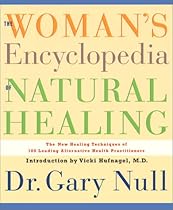 You want to include plenty of fresh organic vegetables. cruciferous vegetables, such as broccoli, cauliflower, and Brussels sprouts, are very important for their immune-enhancing properties. You want onions and garlic, the poor man's cure-all.
"Choose from a wide assortment of whole foods. Don't eat the same few over and over again. In this weakened state you can develop allergic responses to the same foods consumed in large amounts. Eating different foods will insure that you get a variety of nutrients, and that will keep you from developing allergic responses. You want to include plenty of fresh organic vegetables. cruciferous vegetables, such as broccoli, cauliflower, and Brussels sprouts, are very important for their immune-enhancing properties. You want onions and garlic, the poor man's cure-all.
"Choose from a wide assortment of whole foods. Don't eat the same few over and over again. In this weakened state you can develop allergic responses to the same foods consumed in large amounts. Eating different foods will insure that you get a variety of nutrients, and that will keep you from developing allergic responses. |
page 10 of 13 | Next ->
FAIR USE NOTICE: The research quoted here is provided under the protection of Fair Use provisions and published by the 501(c)3 non-profit Consumer Wellness Center for the purposes of public comment and education. Authors / publishers may submit books for consideration of inclusion here.
TERMS OF USE: Read full terms of use. Citations of text from NaturalPedia must include: 1) Full credit to the original author and book title. 2) Secondary credit to the Natural News Naturalpedia as a research resource and a link to www.NaturalNews.com/np/index.html
This unique compilation of research is copyright (c) 2008 by the non-profit Consumer Wellness Center.
ABOUT THE CREATOR OF NATURALPEDIA: Mike Adams, the creator of this NaturalNews Naturalpedia, is the editor of NaturalNews.com, the internet's top natural health news site, creator of the Honest Food Guide (www.HonestFoodGuide.org), a free downloadable consumer food guide based on natural health principles, author of Grocery Warning, The 7 Laws of Nutrition, Natural Health Solutions, and many other books available at www.TruthPublishing.com, creator of the earth-friendly EcoLEDs company (www.EcoLEDs.com) that manufactures energy-efficient LED lighting products, founder of Arial Software (www.ArialSoftware.com), a permission e-mail technology company, creator of the CounterThink Cartoon series (www.NaturalNews.com/index-cartoons.html) and author of over 1,500 articles, interviews, special reports and reference guides available at www.NaturalNews.com. Adams' personal philosophy and health statistics are available at www.HealthRanger.org.
|
 |
Refine your search
with Cruciferous...
...and Foods and Beverages:...and Vegetables
...and Broccoli
...and Cabbage
...and Cauliflower
...and Sprouts
...and Vegetable
...and Greens
...and Kale
...and Fruits
...and Tomatoes
...and Health Conditions and Diseases:...and Cancer
...and Breast cancer
...and Cancers
...and Colon cancer
...and Tumors
...and Heart disease
...and Prostate cancer
...and Cancer cells
...and Inflammation
...and Arthritis
...and Key Health Concepts:...and Foods
...and Diet
...and Phytochemicals
...and Disease
...and Chemicals
...and Nutrients
...and Health
...and Hormone
...and Products
...and Symptoms
...and Anatomy:...and Body
...and Breast
...and Cells
...and Liver
...and Colon
...and Blood
...and Prostate
...and Stomach
...and Lung
...and Immune system
...and Adjectives:...and Raw
...and Green
...and Fresh
...and Anticancer
...and Red
...and Whole
...and Natural
...and Frozen
...and Dietary
...and Strong
...and Concepts:...and Risk
...and Studies
...and Source
...and Research
...and Substances
...and Production
...and Damage
...and Sources
...and Study
...and Content
...and Actions:...and Eat
...and Eating
...and Growth
...and Cooking
...and Avoid
...and Rid
...and Drink
...and Taking
...and Making
...and Preventing
...and Physiology:...and Prevent
...and Helps
...and Immune
...and Increase
...and Effects
...and Levels
...and Effect
...and Intake
...and Protective
...and Balance
...and Nutrients:...and Vitamin
...and Antioxidant
...and Vitamin C
...and Beta-carotene
...and Antioxidants
...and Calcium
...and Glutathione
...and Enzyme
...and Lycopene
...and Folic acid
...and Macronutrients:...and Enzymes
...and Seeds
...and Fiber
...and Oils
...and Fats
...and Minerals
...and Calories
...and Protein
...and Fatty acids
...and Salt
...and Objects:...and People
...and Plant
...and University
...and Produce
...and Oil
...and Compound
...and Vitamins
...and List
...and Diets
...and Garden
...and Who:...and Family
...and Women
...and Men
...and Animals
...and Patients
...and Human
...and Doctors
...and Americans
...and Male
...and Children
...and Substances:...and Acid
...and Food
...and Water
...and Extract
...and Acids
...and Bacteria
...and Lead
...and Liquid
...and Heavy metals
...and Metals
...and Plants and Herbs:...and Garlic
...and Leaves
...and Root
...and Green tea
...and Olive
...and Flowers
...and Kelp
...and Ginger
...and Turmeric
...and Roots
...and Hormones and Biochemistry:...and Estrogen
...and Hormones
...and Estrogens
...and Insulin
...and Methionine
...and Stomach acid
...and Steroid
...and Lipids
...and Cortisol
...and Homocysteine
...and Chemicals:...and Carcinogens
...and Pesticides
...and Free radicals
...and Caffeine
...and Carcinogen
...and Aluminum
...and Additives
...and Chlorine
...and Mercury
...and Pesticide
...and Medical Terms:...and Properties
...and Doses
...and Dosage
...and Dose
...and Inhibitors
...and Results
...and Syndrome
...and Interactions
...and Potency
...and Dosages
...and Medical Adjectives:...and Digestive
...and Gastrointestinal
...and Cellular
...and Antibacterial
...and Oral
...and Carcinogenic
...and Adrenal
...and Respiratory
...and Benign
...and Varicose
...and Biological Functions:...and Metabolism
...and Attention
...and Digestion
...and Concentration
...and Vision
...and Memory
...and Weight loss
...and Strength
...and Period
...and Fertility
...and Where:...and United states
...and New york city
...and Chinese
...and New york
...and Asian
...and California
...and Harvard
...and China
...and Europe
...and India
|
Related Concepts:
Vegetables
Cancer
Broccoli
Cabbage
Foods
Cauliflower
Eat
Body
Sprouts
Estrogen
Brussels sprouts
Breast
Diet
Vegetable
Cruciferous vegetables
Enzymes
Breast cancer
Risk
Greens
Kale
Family
Phytochemicals
Acid
Raw
Studies
Cells
Indoles
People
Green
Fresh
Eating
Source
Vitamin
Food
Anticancer
Fruits
Carcinogens
Antioxidant
Tomatoes
Prevent
Women
Cancers
Onions
Sulforaphane
Seeds
Growth
Liver
Disease
Fiber
Colon
Red
Helps
Whole
Chemicals
Research
Garlic
Nutrients
Turnips
Health
Blood
Leafy
Immune
Water
Increase
Effects
Levels
Beans
Wheat
Natural
Beta-carotene
Vitamin C
Plant
Fruit
Hormone
Properties
Substances
Tea
University
Watercress
Prostate
Isothiocyanates
Colon cancer
Cooking
Carrots
Fish
Spinach
Production
Avoid
Oils
Grains
Antioxidants
Effect
Tumors
Damage
Cancer-fighting
Fruits and vegetables
Stomach
Produce
Intake
Sources
|









 Email this page to a friend